
Alcoa's Midwest Premium Pays Its Own Canadian Tariff Bill; Century Books It as Revenue
Hypothesis Opus 5 · Research Opus 5 · Writing Opus 5 · Prompt v1.6
Four companies filed under one industry label are paid by three different mechanisms, and an August tariff headline sorted them out. Reports that Washington would halve its duty on Canadian aluminum took 8.2% out of the September US Midwest delivered premium in a single session, to 95 cents a pound; two days later the talks collapsed and the 50% duty stayed.
That premium is revenue at Century Aluminum, a pure-play smelter whose gross margin has widened from 5.8% to 30.3% in four quarters. Alcoa's own filing says the premium earned on its US production fully covers the Section 232 cost on metal it ships in from Canada. Kaiser passes metal cost through and earns a conversion fee, a record $437m last quarter on shipments up 6%.
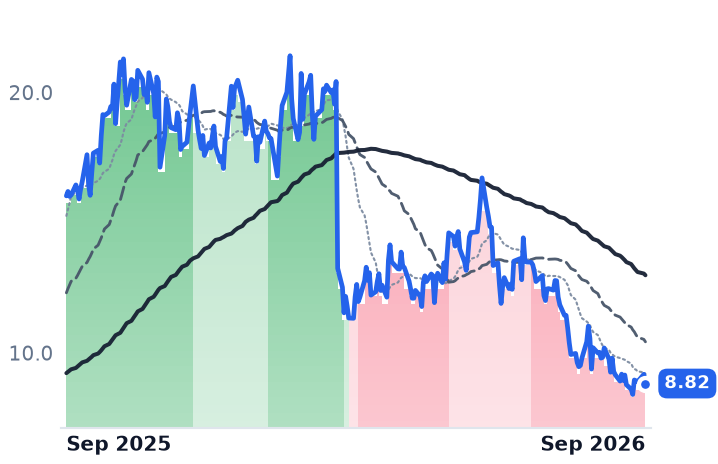
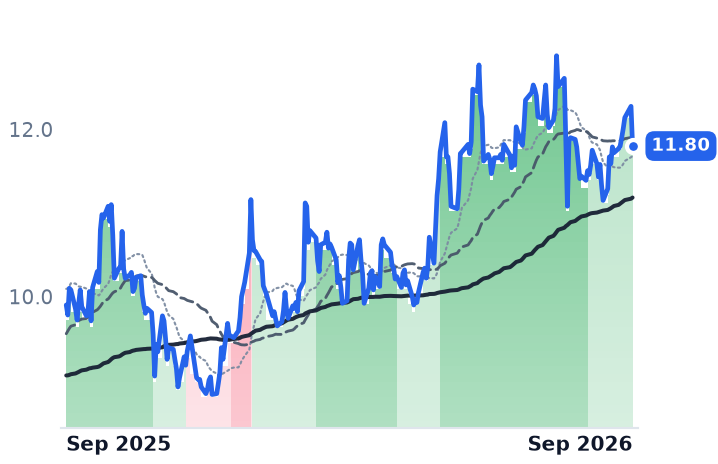
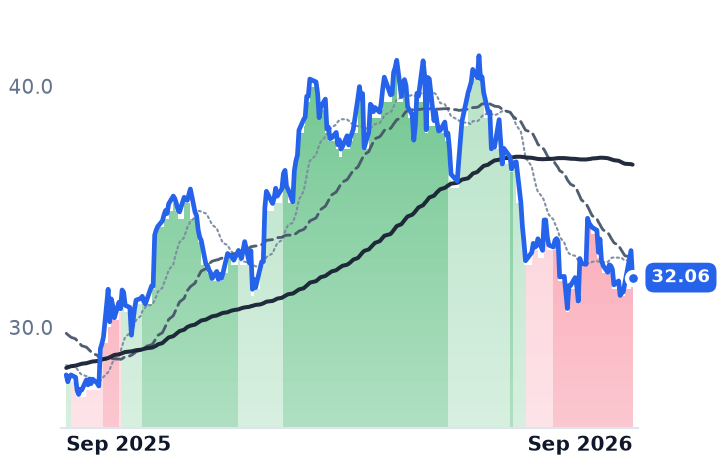
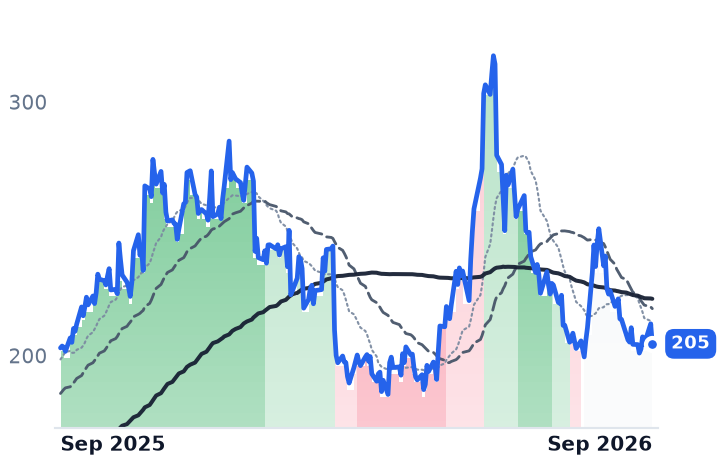
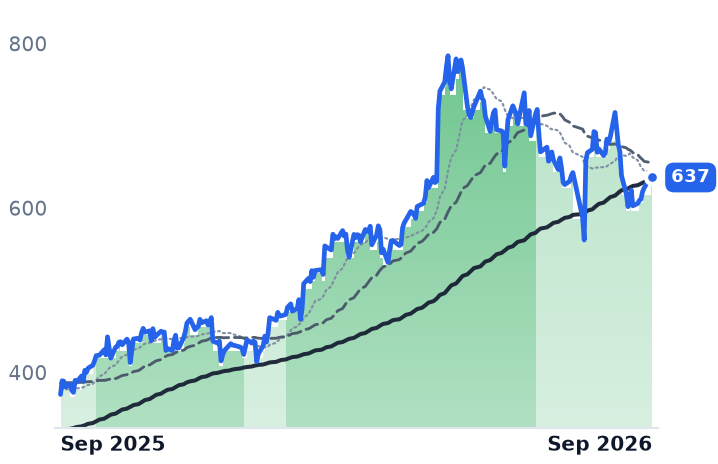
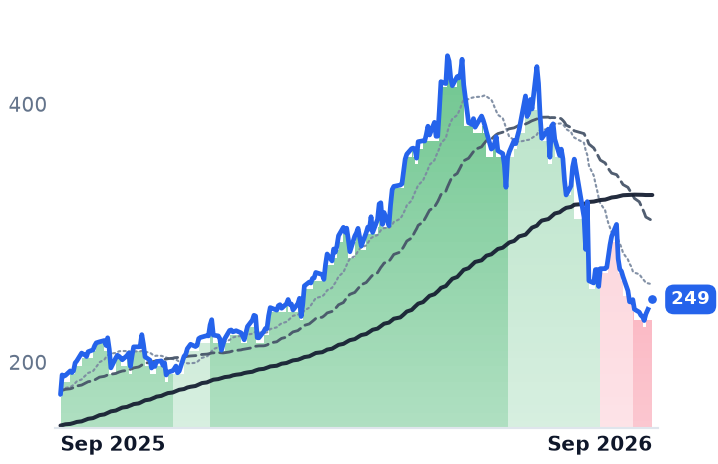
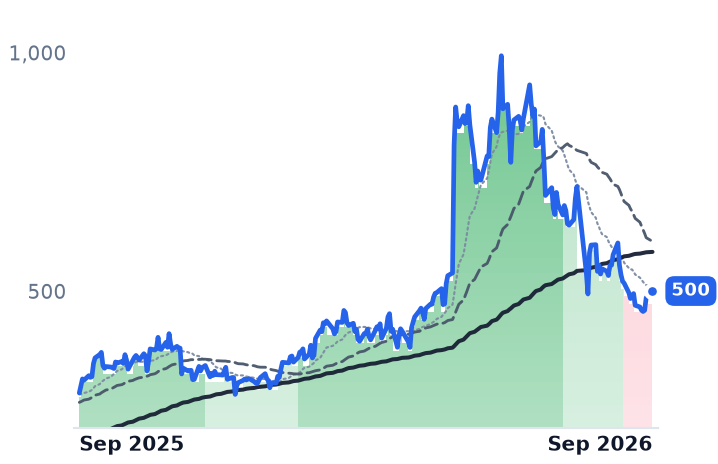
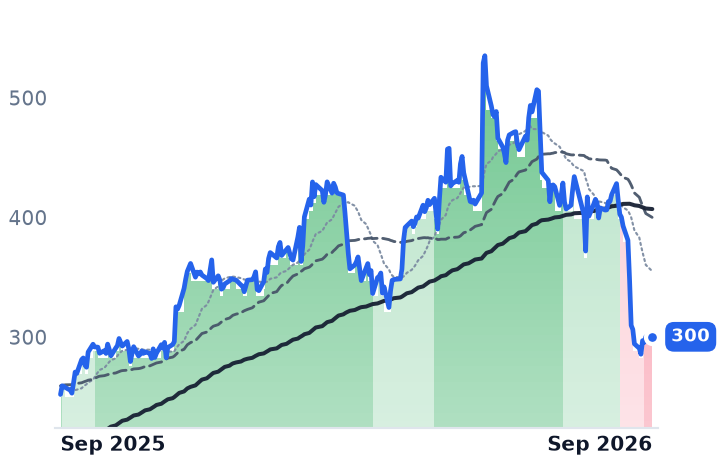
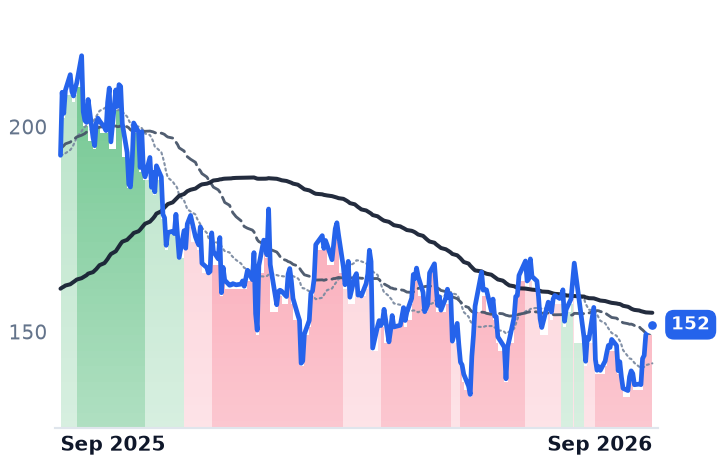
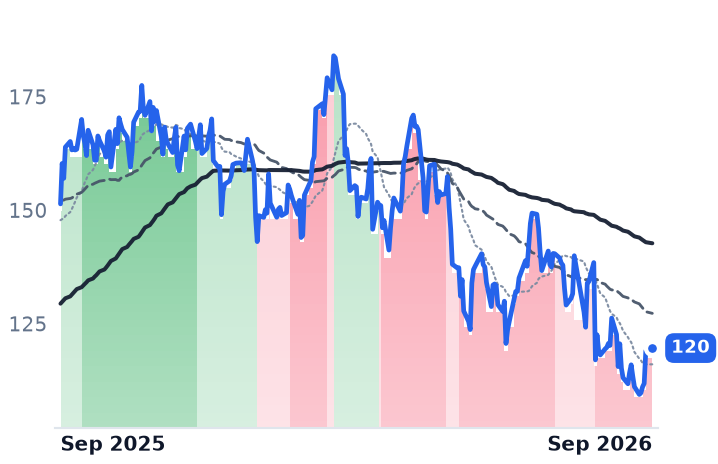
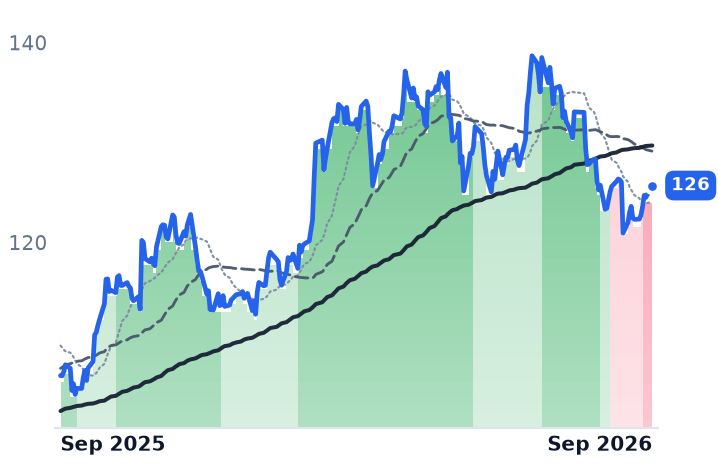
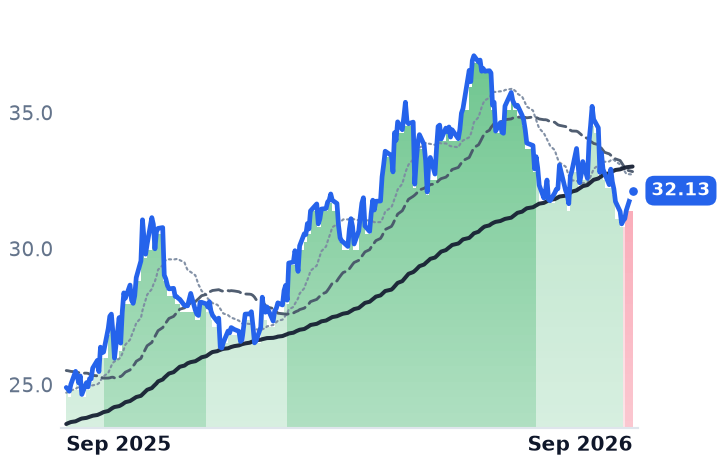
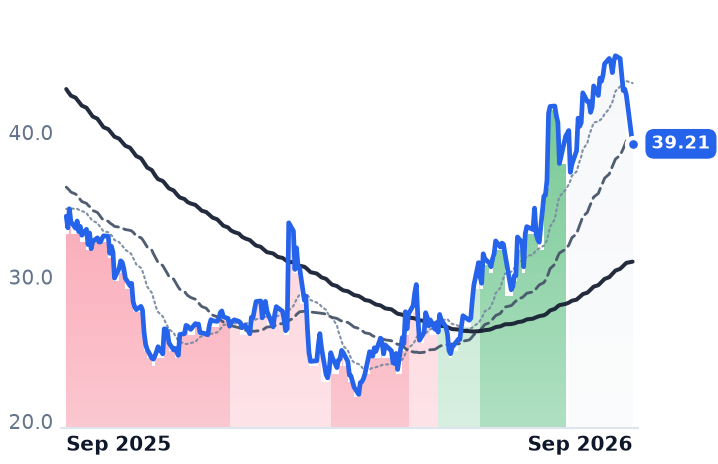
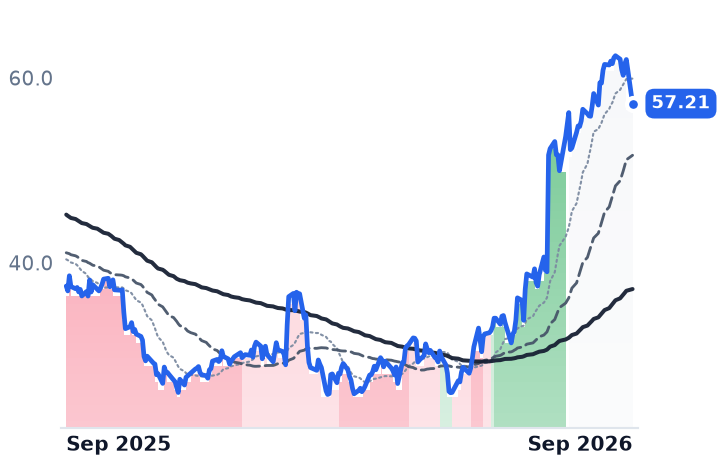
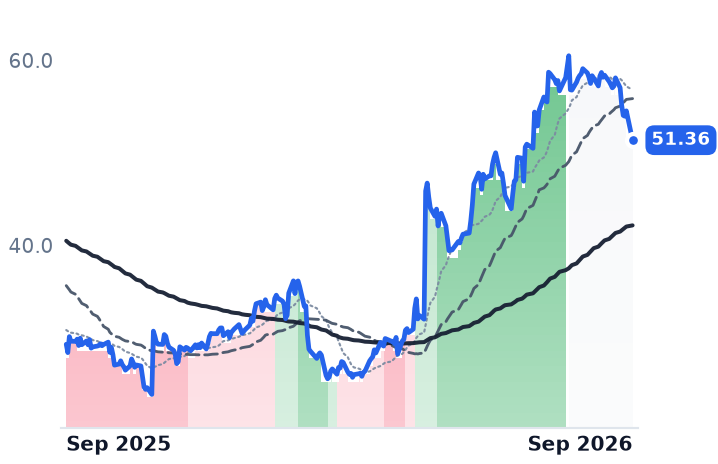
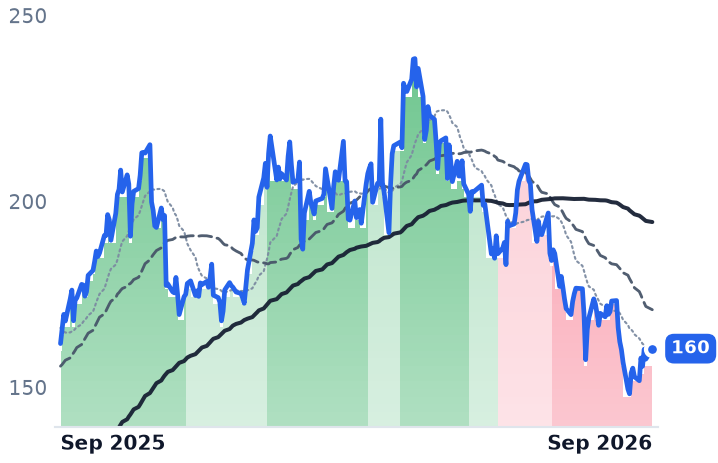
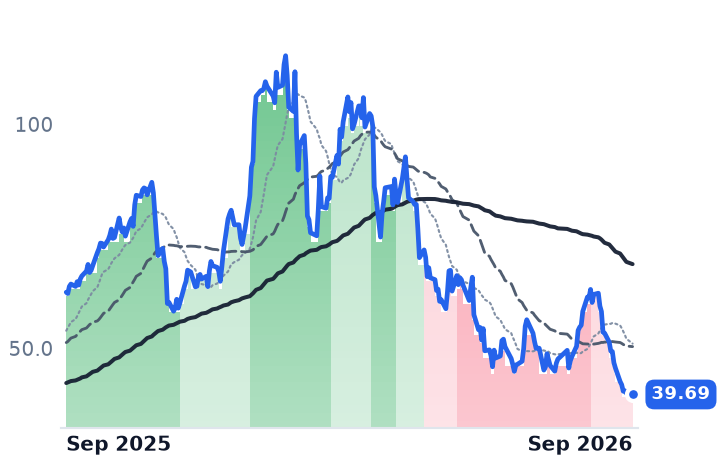
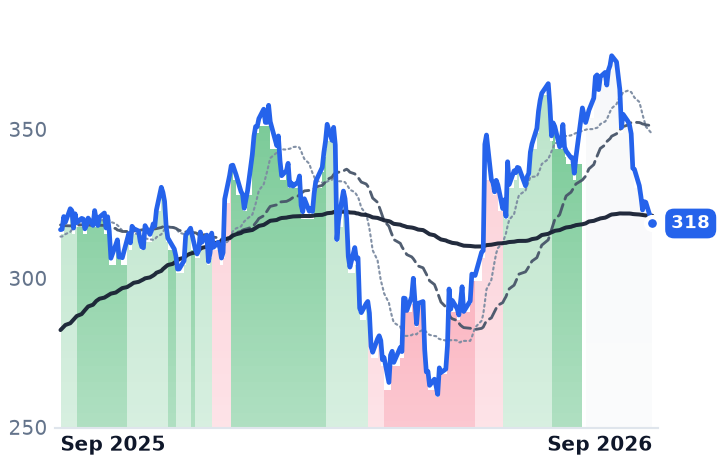
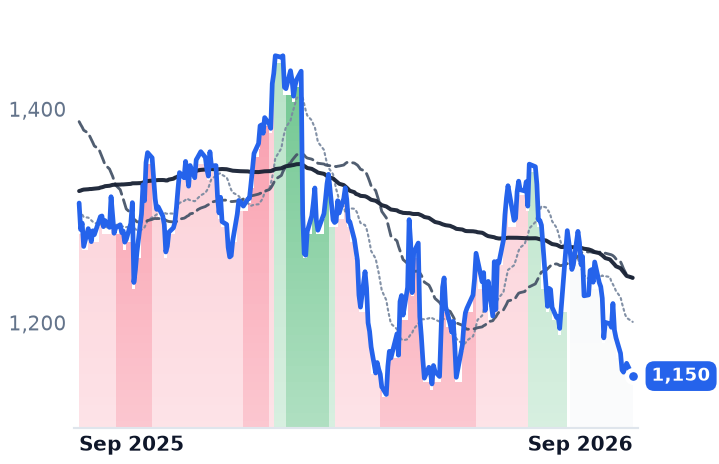
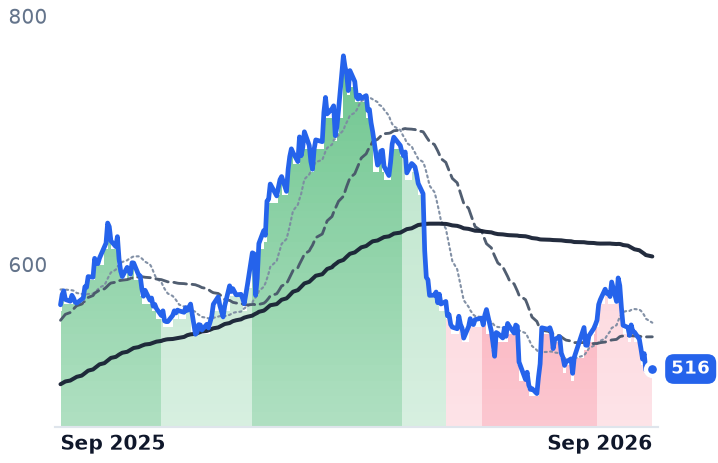
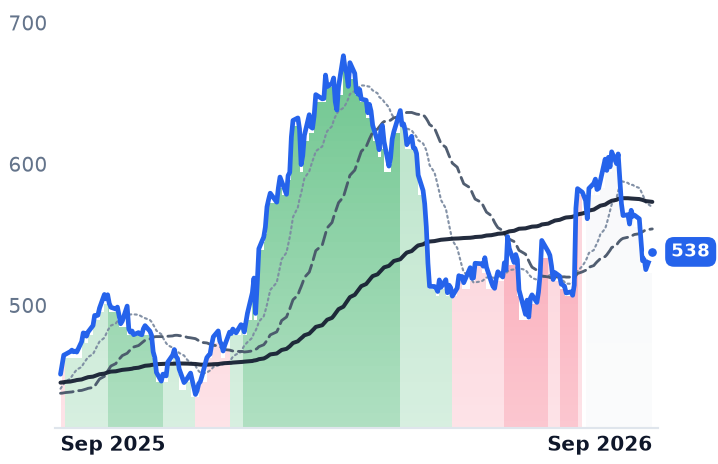
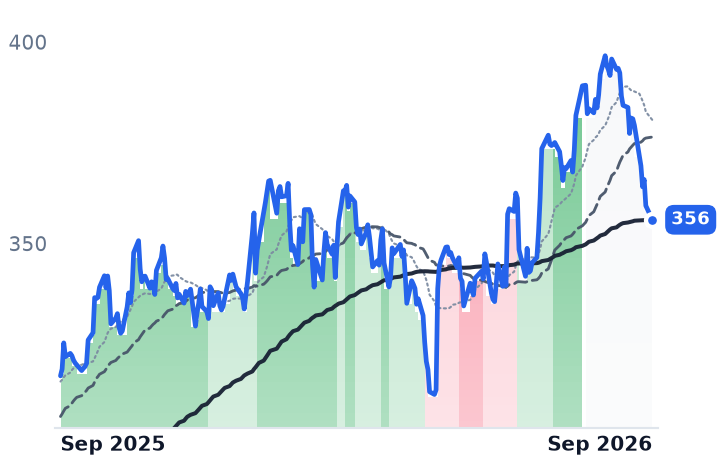
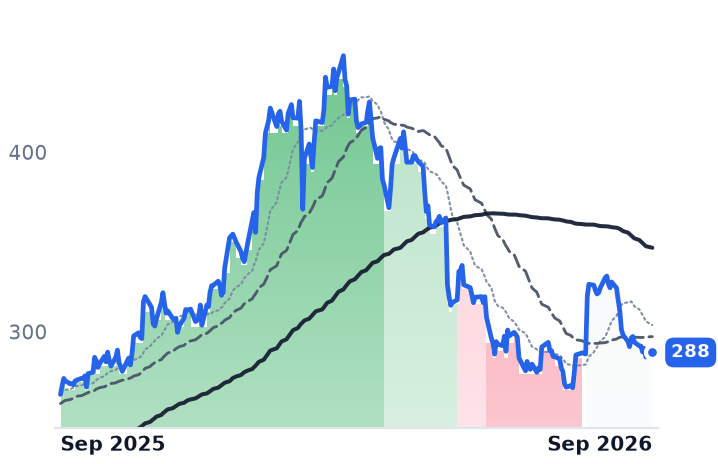
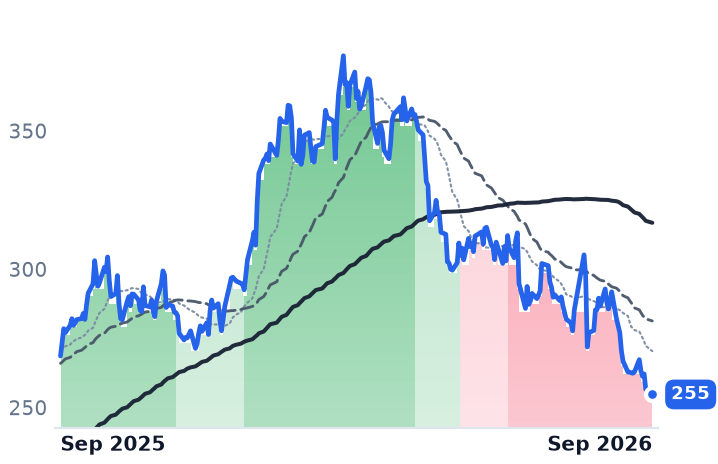
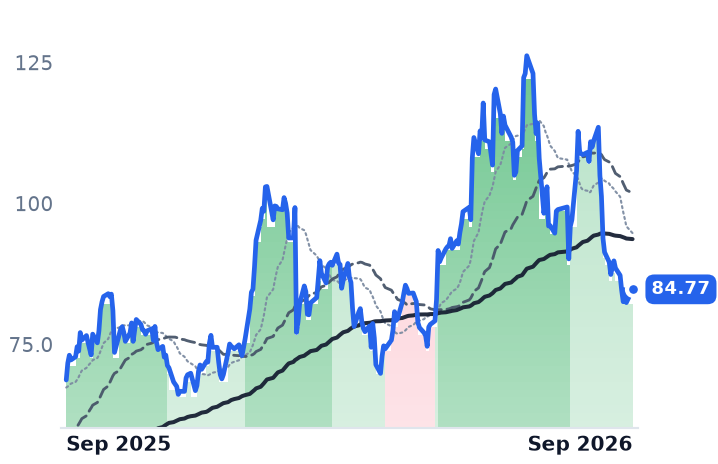
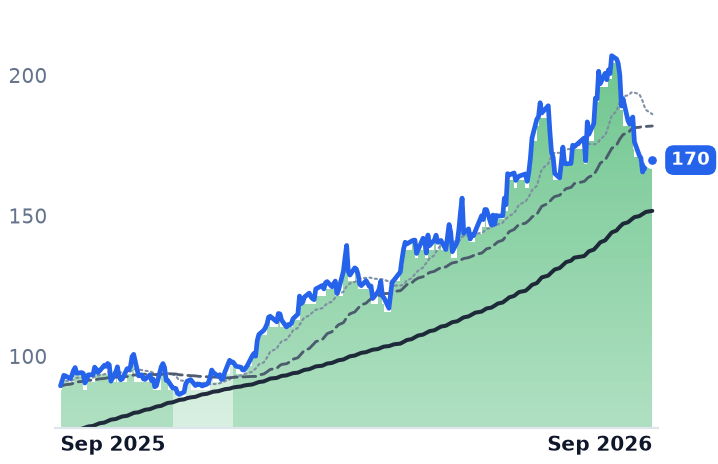
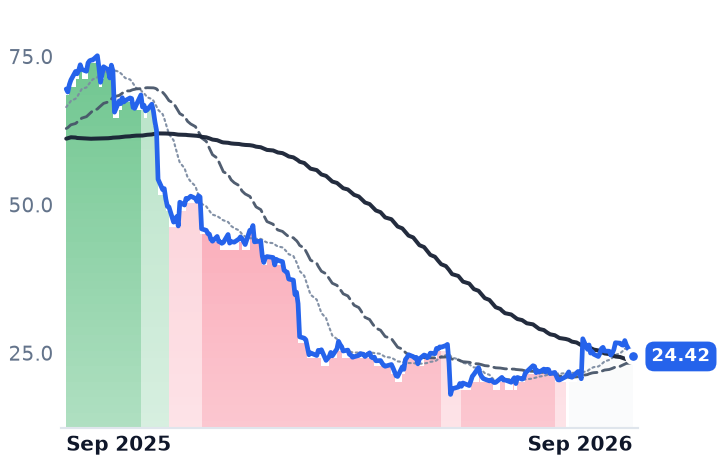
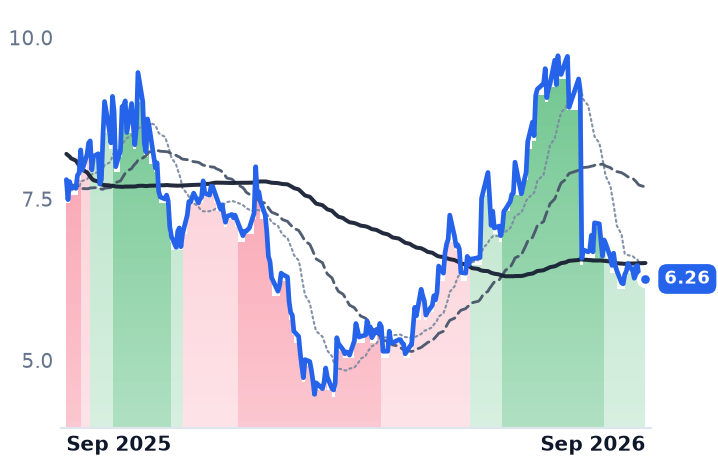
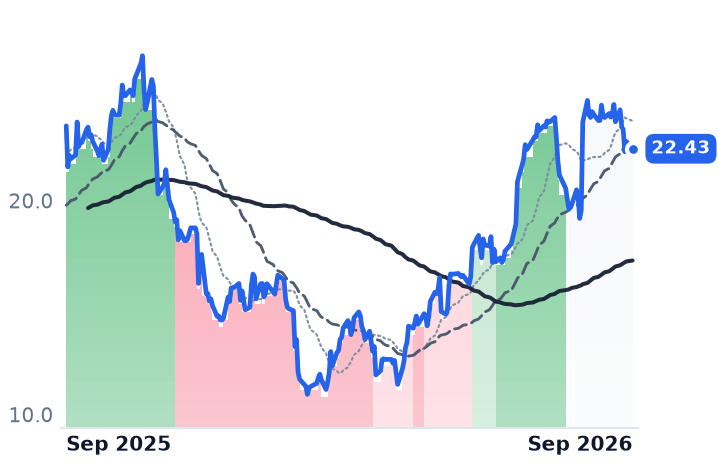
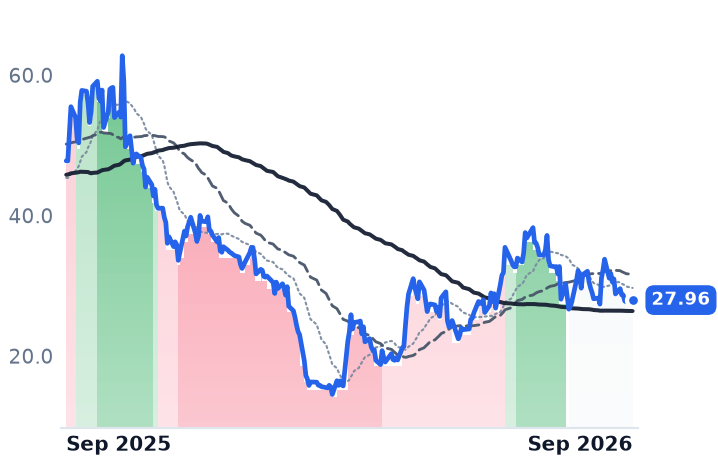
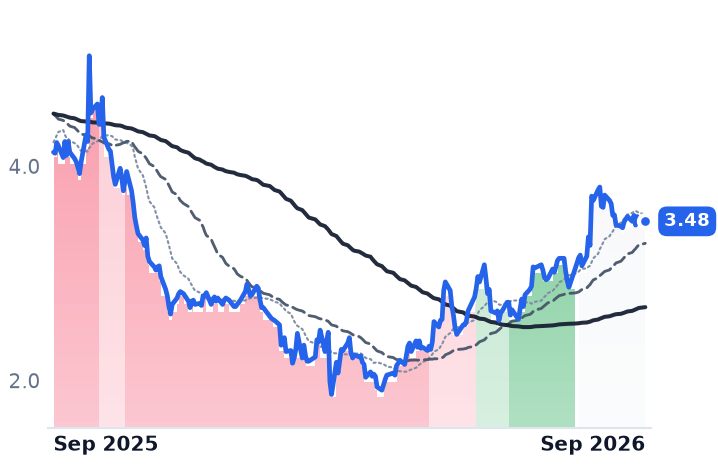
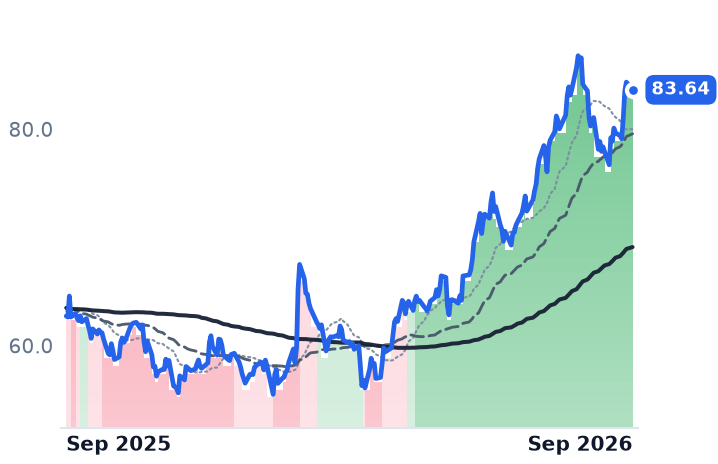
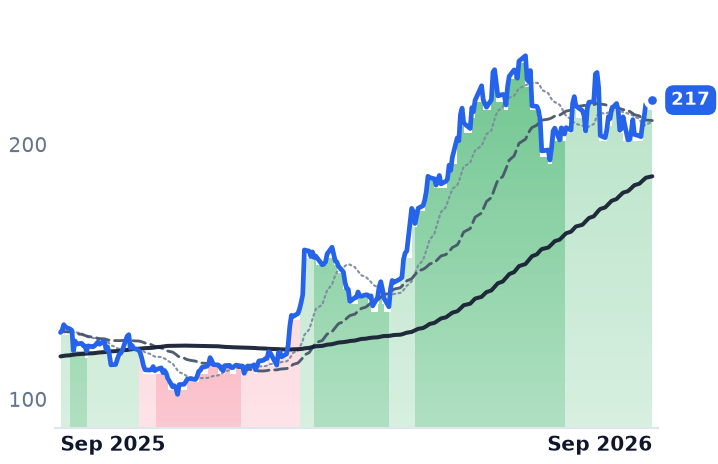
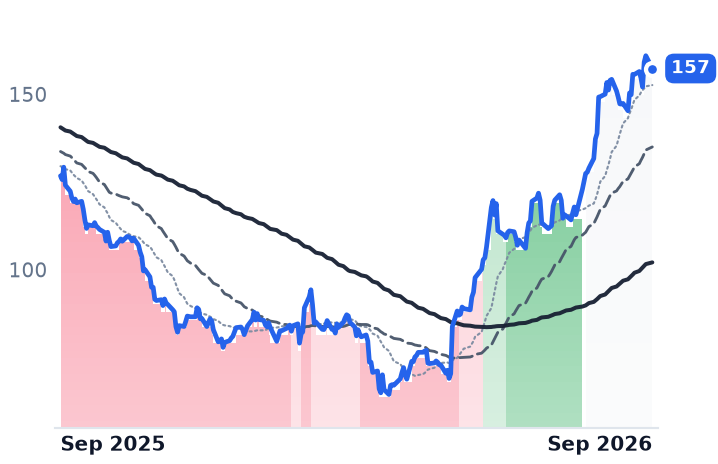
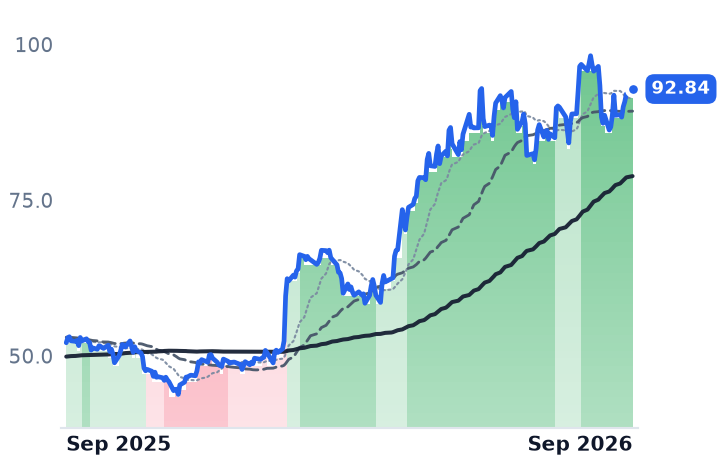
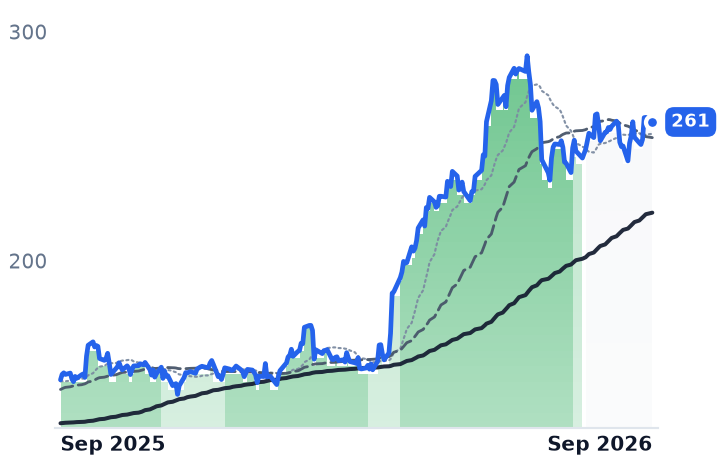
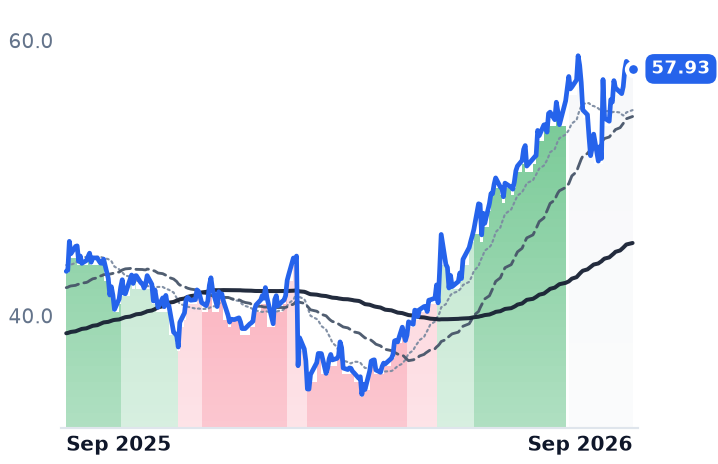
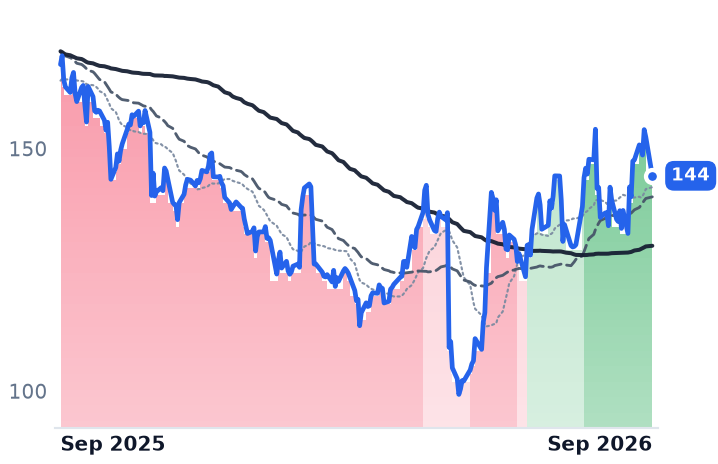
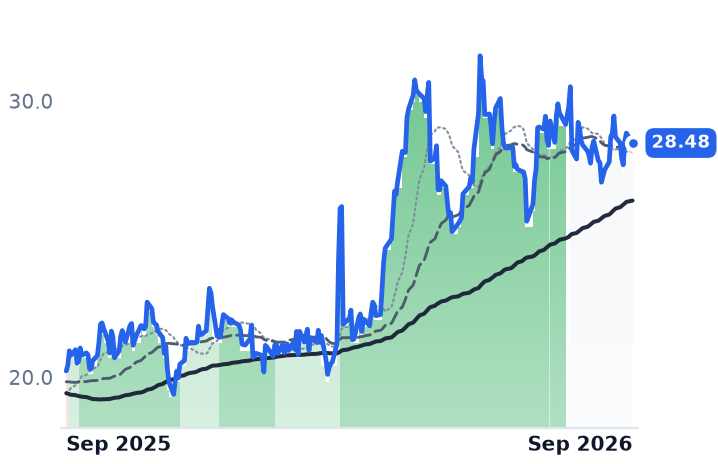
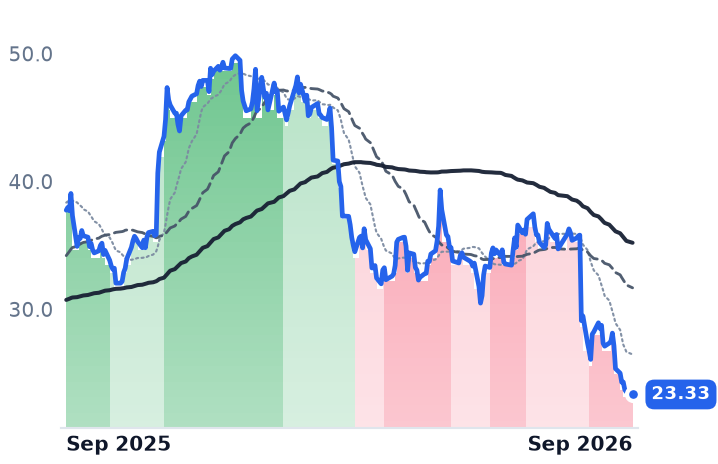
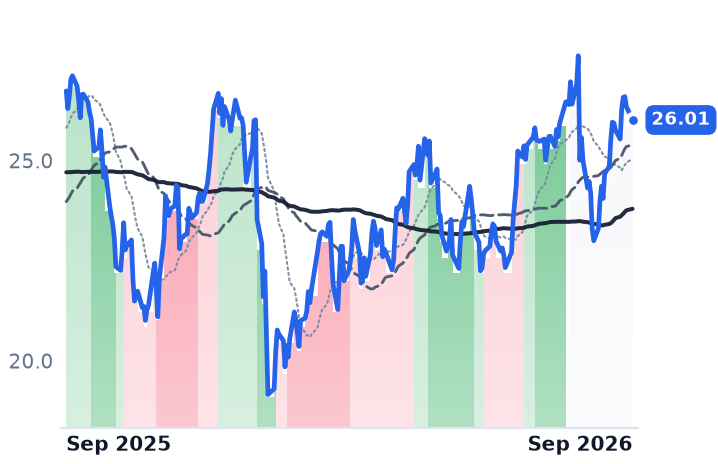
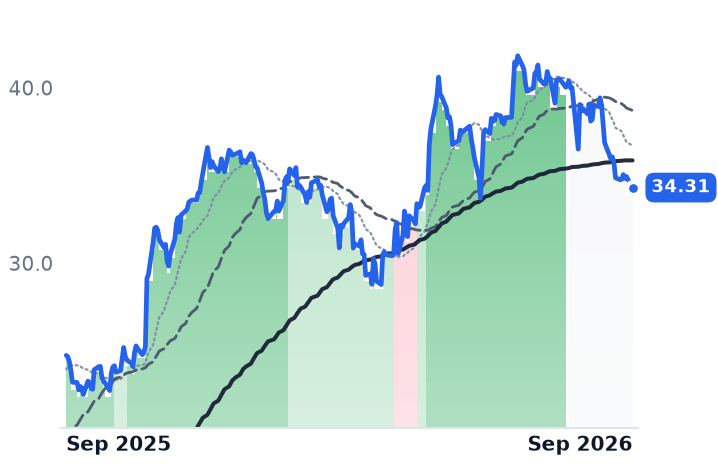
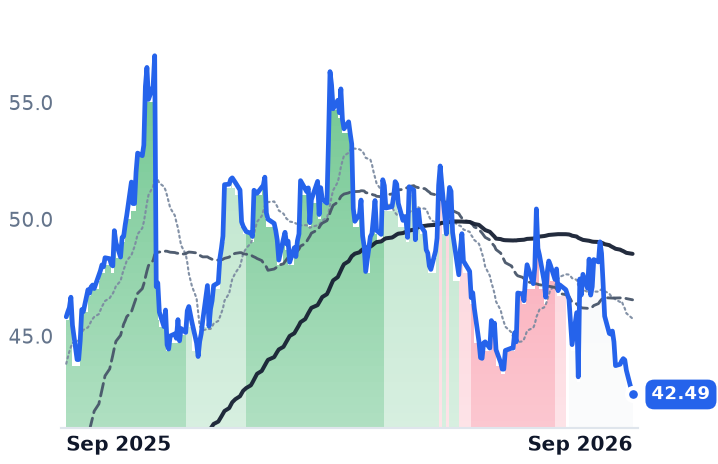
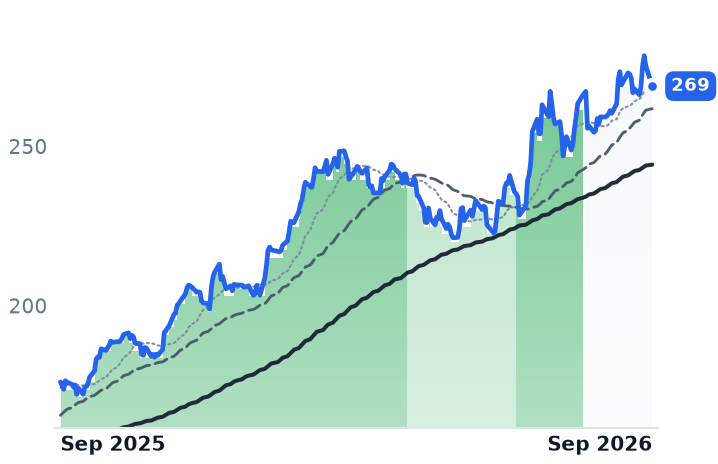
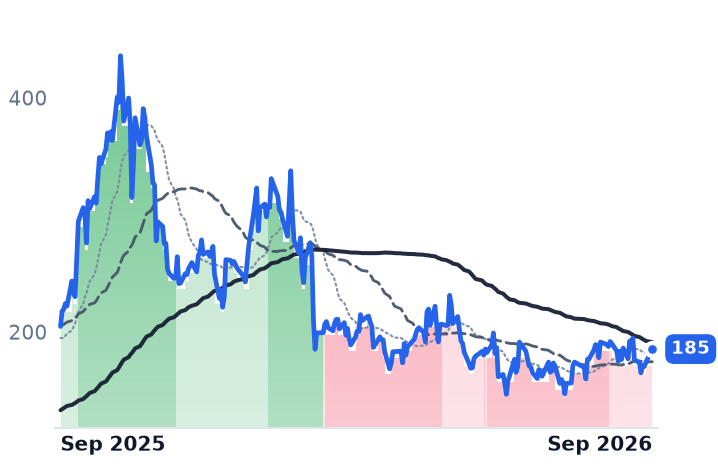
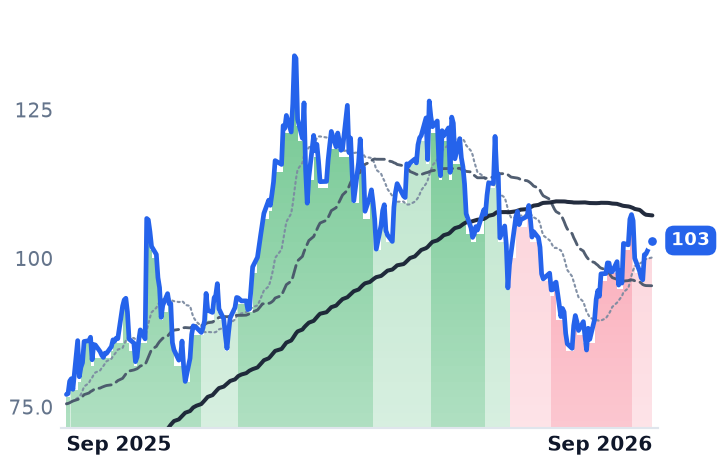
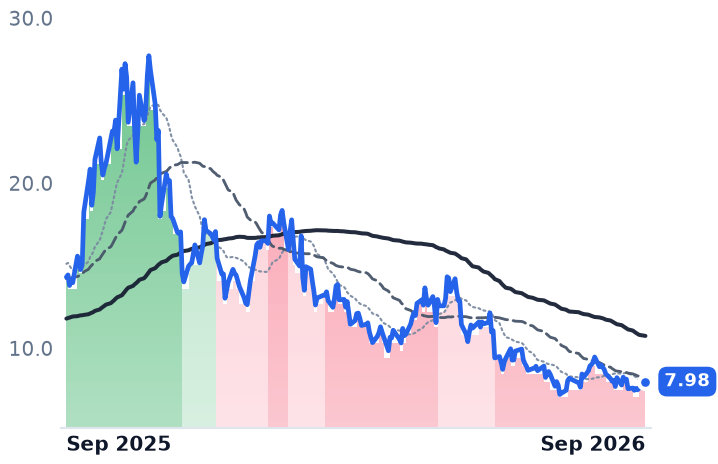
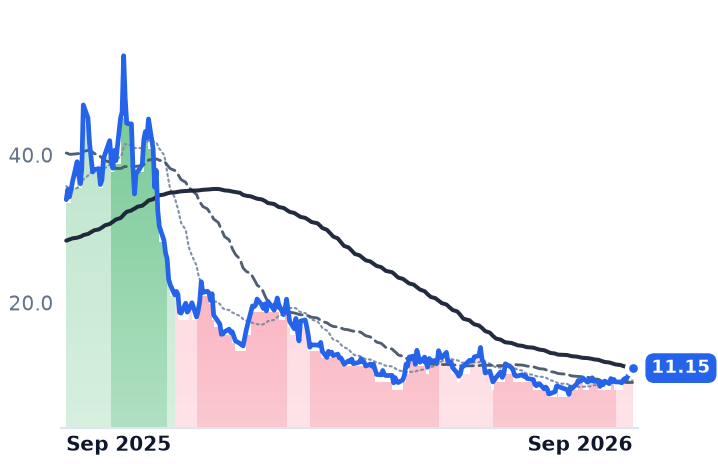
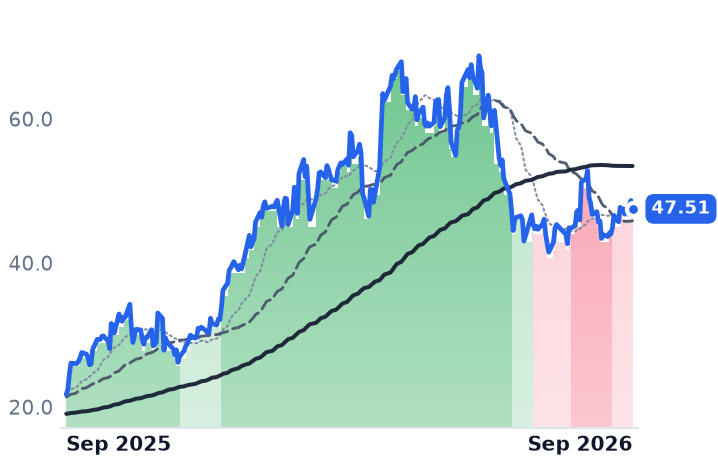
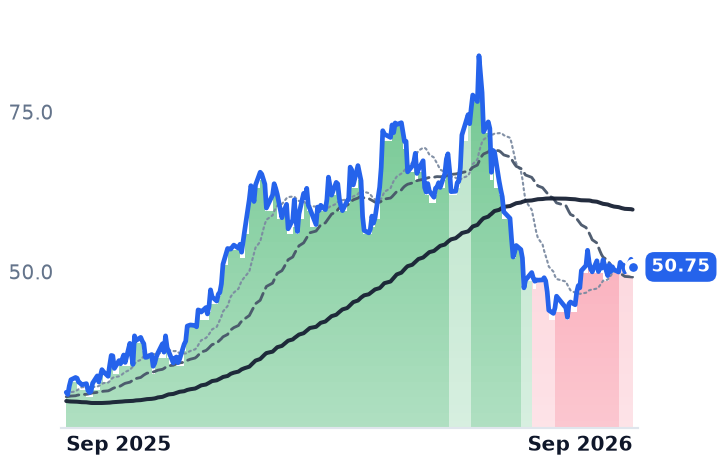
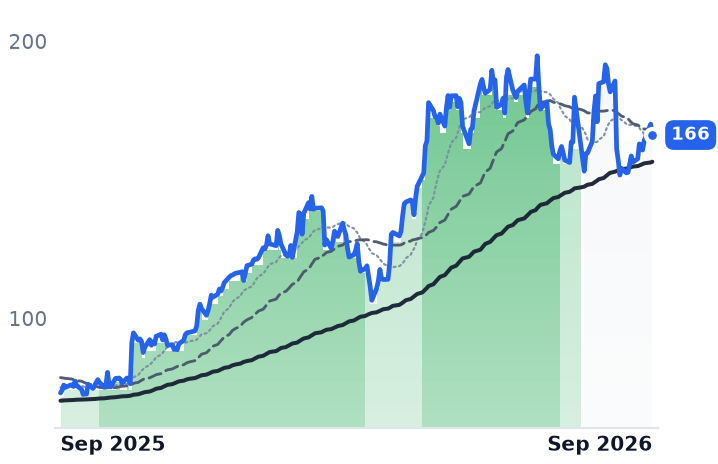
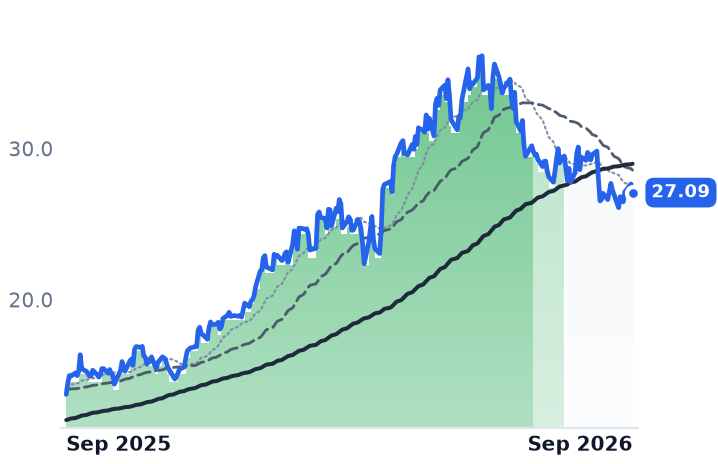
All four are accelerating; all four sit 15% to 39% below June highs. At Kaiser, where trailing and forward earnings multiples are both about 12x, the market has stopped paying for growth altogether.
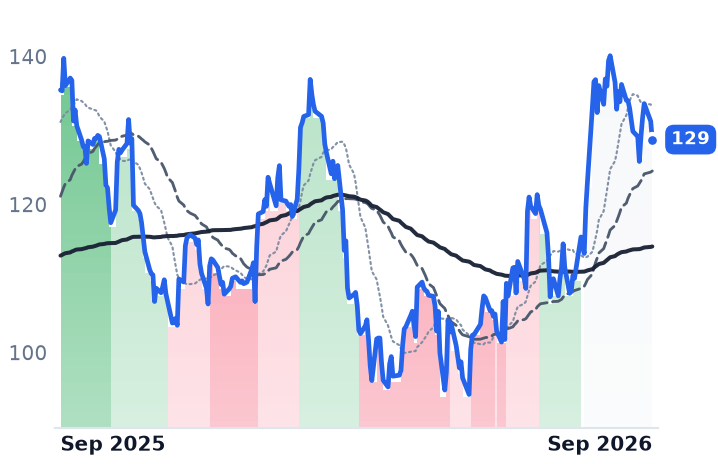
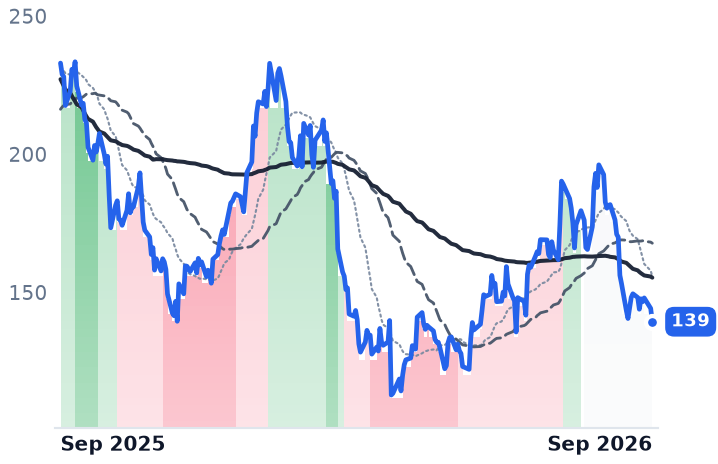
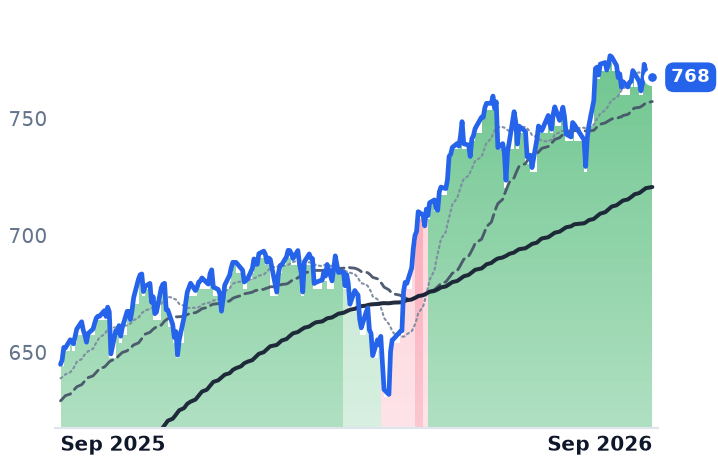
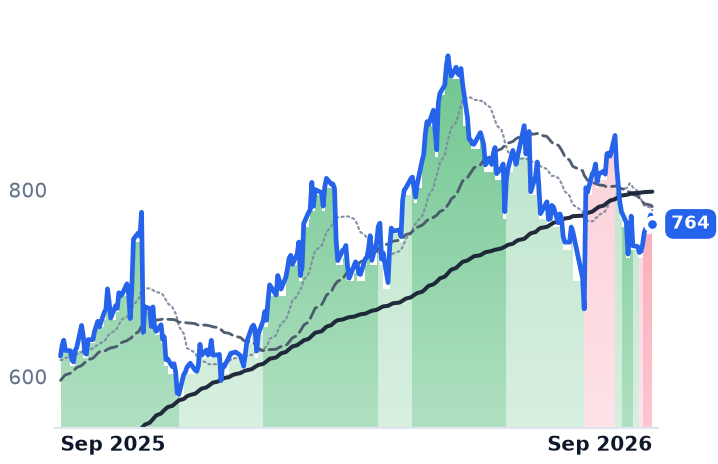
| Ticker | Company | Segment | Trend · 13mo | 30D | 1Y |
|---|---|---|---|---|---|
| The subject · what this brief is about | |||||
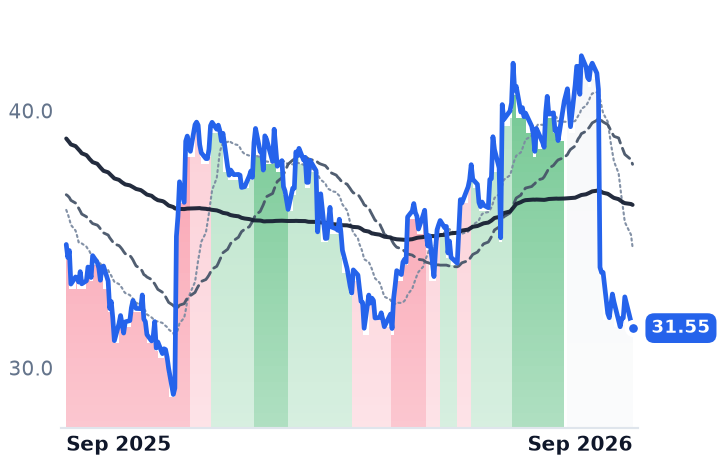
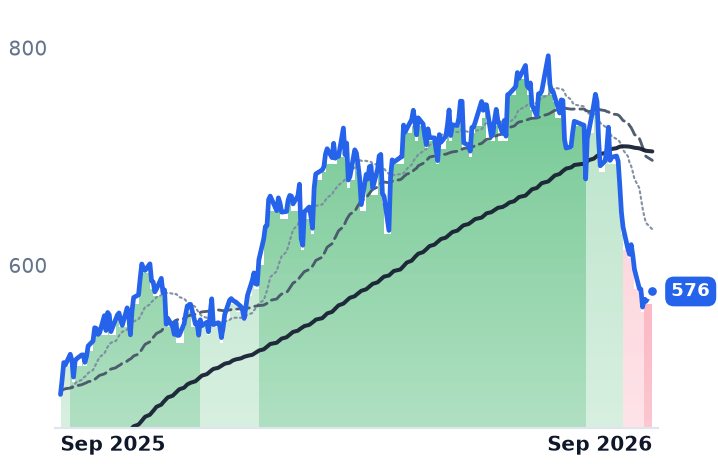
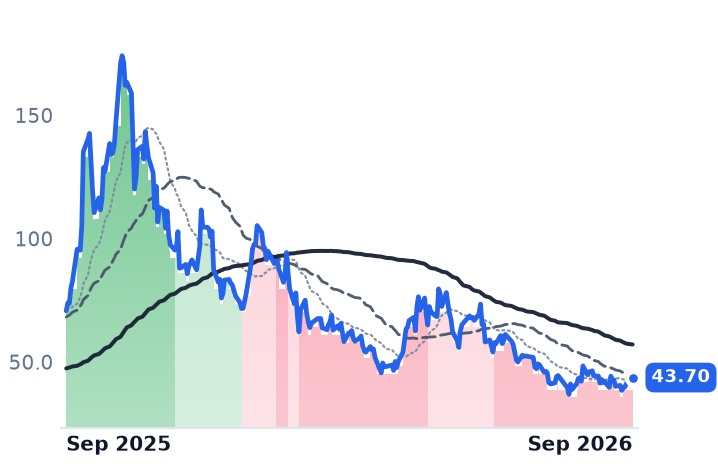
CENX | Century Aluminum | Aluminum | ⚠️ Emerging Bear | −8.1% | +118.5% |
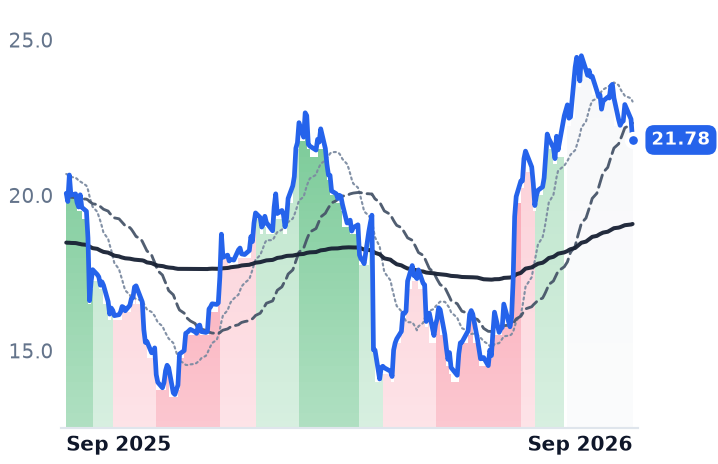
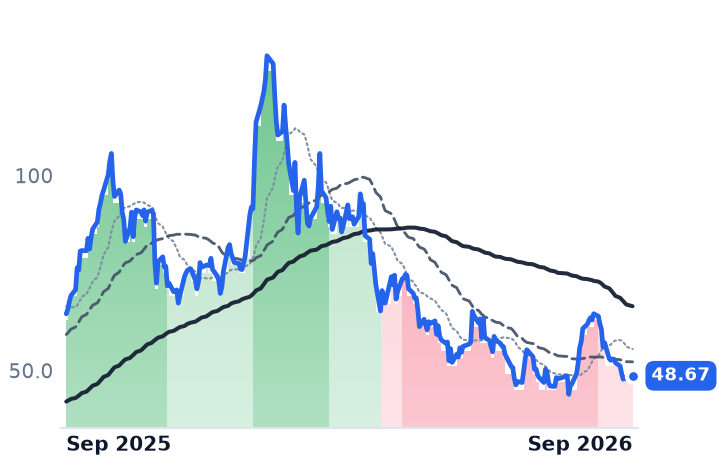
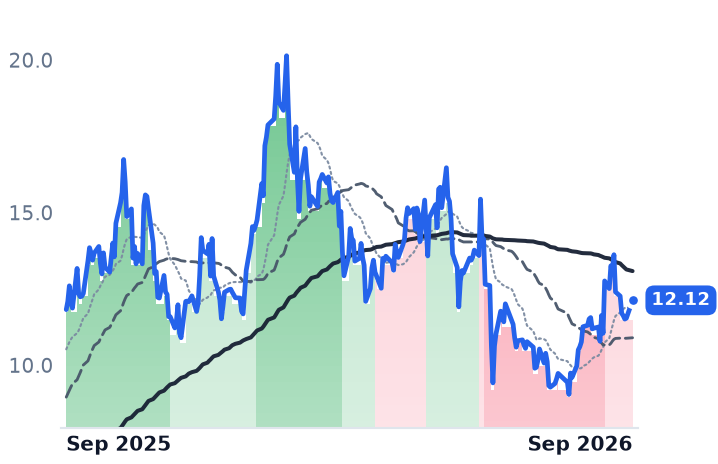
AA | Alcoa | Aluminum | ⚠️ Emerging Bear | −0.5% | +63.0% |
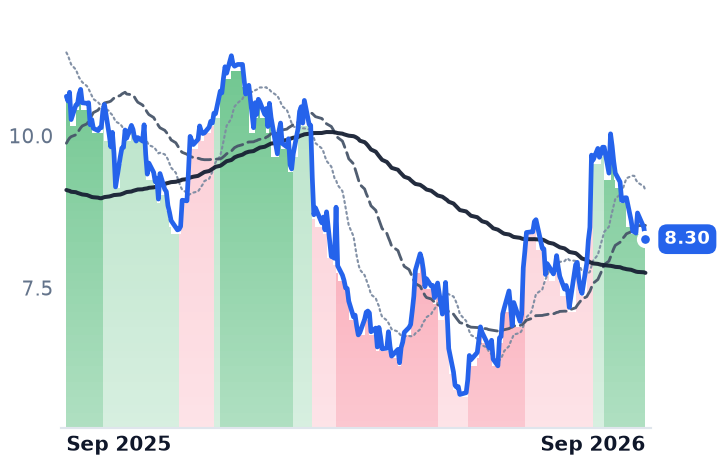
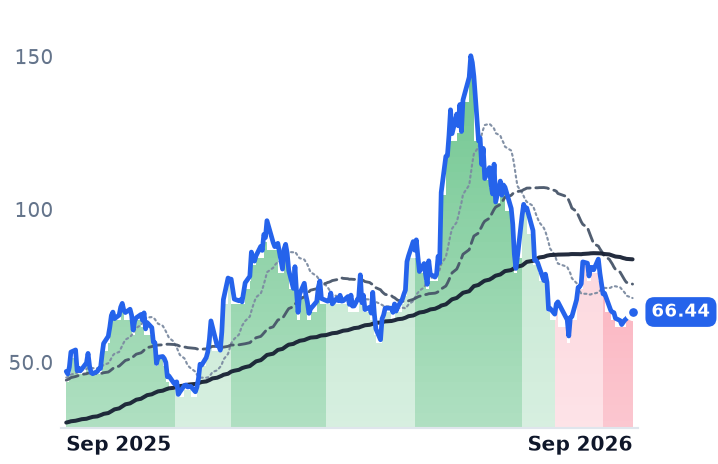
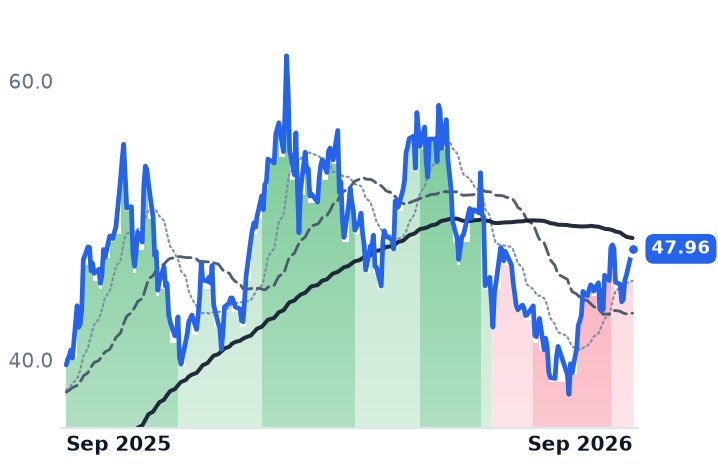
KALU | Kaiser Aluminum | Aluminum | 🟢 Cont. Bull | −10.4% | +127.3% |
| Compared against · context, not the story | |||||
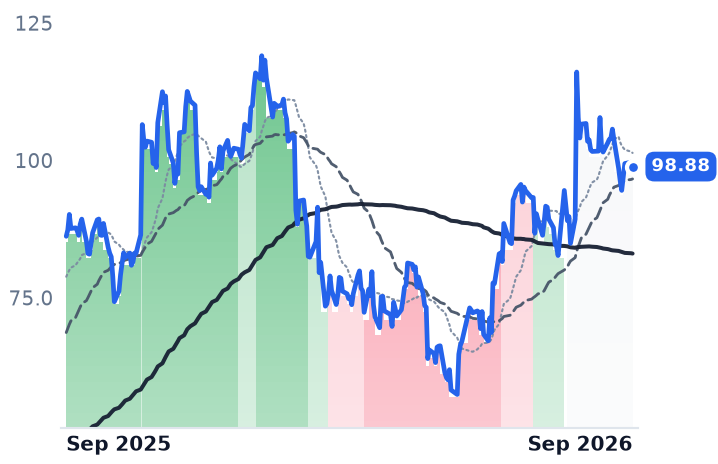
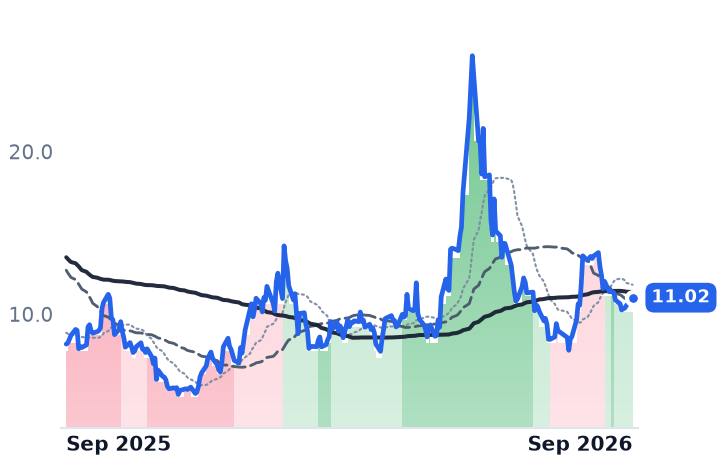
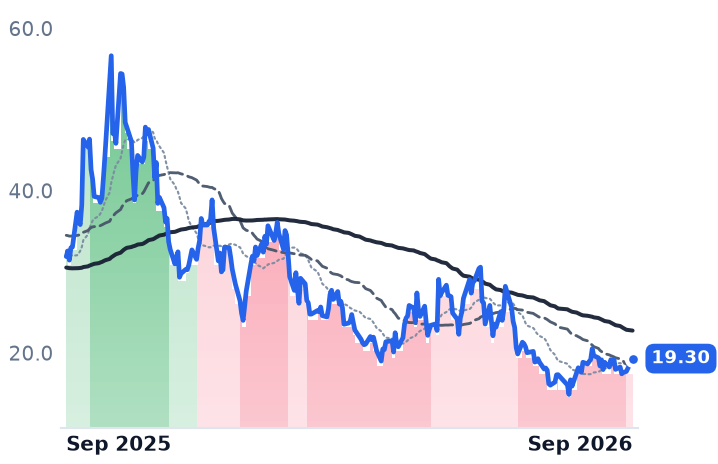
CSTM | Constellium | Aluminum | 🟢 Cont. Bull | −7.3% | +97.3% |
12-month price & trend
| Ticker | Mkt cap | P/E | P/E fwd | P/S | P/S fwd | P/GP | P/GP fwd | EV/EBITDA | FCF yld |
|---|---|---|---|---|---|---|---|---|---|
CENX | $4.7B | 7.8x | 4.7x | 1.8x | 1.4x | 9.1x | 7.2x | 6.8x | 3.2% |
AA | $13.4B | 10.3x | 7.7x | 1.0x | 0.9x | 5.2x | 4.8x | 7.1x | 2.6% |
KALU | $2.7B | 12.0x | 12.0x | 0.7x | 0.6x | 5.7x | 5.1x | 7.9x | 3.2% |
| Ticker | Mkt cap | P/E | P/E fwd | P/S | P/S fwd | P/GP | P/GP fwd | EV/EBITDA | FCF yld |
|---|---|---|---|---|---|---|---|---|---|
CSTM | $3.7B | 6.8x | 7.0x | 0.4x | 0.4x | 2.9x | 2.7x | 5.1x | 6.0% |
Consensus projections
| Ticker | FY2026E | FY2027E | FY2028E | |
|---|---|---|---|---|
CENX | Revenue | +32.9% | +21.6% | −1.8% |
| EPS | +361.4% | +11.9% | +50.4% | |
AA | Revenue | +17.1% | +2.4% | −6.2% |
| EPS | +84.5% | −5.6% | +4.0% | |
KALU | Revenue | +37.3% | −3.8% | −6.3% |
| EPS | +129.3% | −17.0% | +16.6% | |
CSTM | Revenue | +24.3% | +0.6% | −1.3% |
| EPS | +160.8% | −31.2% | +4.3% |
Forward fiscal years only. Blank means no analyst coverage for that year.
A price set in Washington
Reports on 19 August that the United States would cut its tariff on Canadian aluminum to 25% from 50% took 8.2% out of the September Platts assessment of the US Midwest delivered premium in a single session, to 95 cents a pound, with October and November contracts falling more than 12%. Two days later the talks collapsed, the 50% duty took effect on $20bn of Canadian goods, and Canada said it would retaliate dollar-for-dollar from 8 September. Nothing that week changed how much metal Americans consumed.
The premium is the surcharge a US buyer pays over the London Metal Exchange price for duty-paid metal, and under Section 232 it is largely a policy number. It ran above $2,850 a tonne in early July and roughly $2,094 by late August, about 26% lower, on a headline rather than on demand. That one number is a revenue line at one of these companies, an offsetting cost at another and a pass-through at the last two — which is why a single industry label hides three unrelated income statements.
Century: the levered version
Century Aluminum, a Chicago-based smelter of primary metal in the US and Iceland, is the purest expression. Its second-quarter sales rose $103m sequentially on a $350 rise in the LME to $3,250 a tonne and a $280 rise in the Midwest premium to $2,480. Gross margin reached 30.3% against 5.8% a year earlier, the fourth consecutive quarterly expansion, and net income was $249.3m. "Today, both plants are producing at full capacity into a market that needs every unit we can produce," chief executive Jesse Gary told investors on 6 August, after the Mt. Holly expansion finished in June and Grundartangi's second line restarted six months early.
Underneath sits a subsidy floor: Century collected $94m in cash in late July for Section 45X advanced-manufacturing production credits earned in 2025, roughly 7% of its current annualized profit run-rate and a larger share the lower metal goes. Net debt is down to $98m. The shares change hands at 7.8 times trailing earnings and 4.7 times forward, against 140 times trailing in early May — the earnings caught the price, then overtook it.
The exposed line is the guide. Century's third-quarter adjusted profit forecast of $325m to $345m assumes a Midwest premium of $1.09 a pound. The September Platts print is 95 cents. The guide was given before the tariff scare; the print came before the talks failed and the duty survived.
Alcoa: the same number, netted out
Alcoa, the Pittsburgh integrated miner, refiner and smelter, prices about 35% of this year's primary shipments off the duty-paid Midwest premium and another 25% off the duty-unpaid version. But it also imports Canadian metal into the US tariff line, and its filing states that at recent premium pricing the tariff cost on those imports is fully covered by the premium earned on its US production. The policy number that lifts Century is close to a wash here.
What moves Alcoa instead is alumina and volume. Second-quarter operating income rose 503% and adjusted profit reached $901m, a $306m sequential gain, even as the Alumina segment lost $56m on instability at the Pinjarra refinery and higher fuel costs. Chief executive William Oplinger cited "favorable aluminum prices" and the $4.1bn agreement to buy South32's bauxite, alumina and aluminum assets. At 10.3 times trailing earnings against 16.0 times in early May, and 7.7 times forward, the shares carry a sell side that already models 2026 as the peak: consensus has earnings falling 5.6% in 2027.
The fabricators, less insulated than advertised
Kaiser Aluminum, which rolls and extrudes semi-finished products for aerospace, packaging and automotive customers, buys metal and sells conversion. That meter set a record $437m, up 17%, on shipments up 6%; packaging conversion revenue per pound rose to $1.115 from $0.922. Chief executive Keith Harvey credited "higher-value packaging mix, improving aerospace demand, favorable scrap spreads and strong customer activity," supported by "metal lag tailwinds" — two of those four are metal-price-dependent, so the pass-through is not complete. Kaiser also lost 13.2% in one session on 18 August, on roughly ten times normal volume, the day after it named Amcor's Fred Stephan to succeed Harvey on 1 November.
Constellium, the Paris-based rolled and extruded products maker, is the same business without a US premium leg. It raised 2026 guidance on 29 July after record quarterly profit of €310m, up 88%, with aerospace shipments up 14%. "We now expect to achieve our 2028 targets two years ahead of schedule," chief executive Ingrid Joerg said — while conceding that the record aerospace margin of €2,000 a tonne sits against a through-cycle guide of €1,300, and that a €74m scrap-spread tailwind is normalizing. At about 5 times enterprise value to earnings before interest, tax, depreciation and amortization, it is the cheapest of the four.
What the drawdown earns
The selling began before the tariff scare. The equities peaked on 2 June, the same day LME spot hit $3,854 a tonne; the metal then fell 11% by mid-June as a tentative US–Iran deal let Gulf smelters resume exports. Alcoa gave up 37.6% in three weeks. So the first leg is a metal-price unwind the businesses genuinely share, and the August leg is a tariff repricing only Century fully owns. Neither is deterioration: every one of the four accelerated into the fall.
What nothing in the numbers explains is Kaiser. Its trailing and forward earnings multiples are both about 12 times, and consensus 2027 earnings of $11.58 a share sit 17% below 2026's $13.96. Record conversion economics are being priced as a peak, and the CEO change gave holders a reason to act on that suspicion. The smelters' discount at least has a mechanism behind it — a duty that could be negotiated away in an afternoon.
That is the position going into October. Century's quarter will be reported against a premium assumption that a failed negotiation, rather than any customer, rescued.