
Erie Indemnity Bills 25% of a Premium Base That Just Shed 2% of Its Policies
Hypothesis Opus 5 · Research Opus 5 · Writing Opus 5 · Prompt v1.6
Erie Indemnity's board re-set its management fee at the contractual maximum in December, which leaves the company exactly one variable: how much premium the Erie Insurance Exchange writes. That base grew 3.3% last quarter against 9.2% a year earlier, and all of the growth was price — the policy count fell 2%.
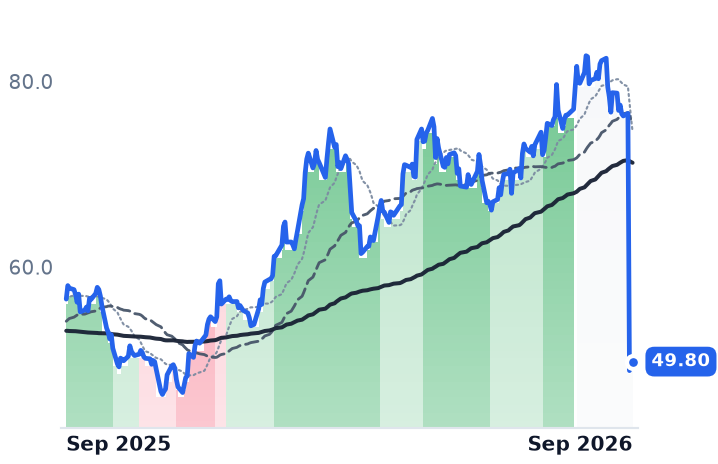
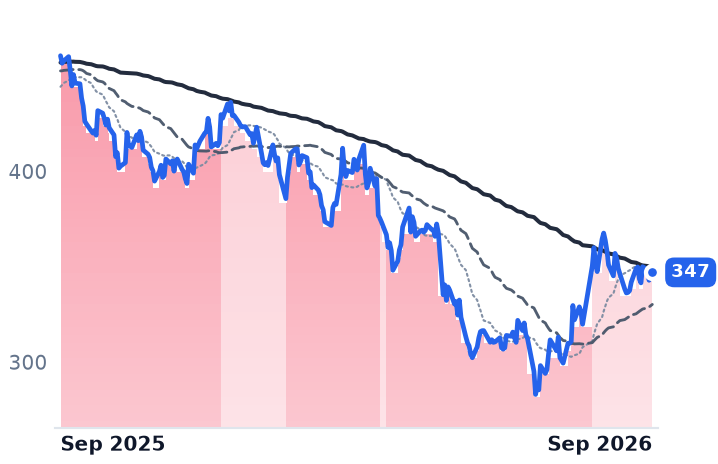
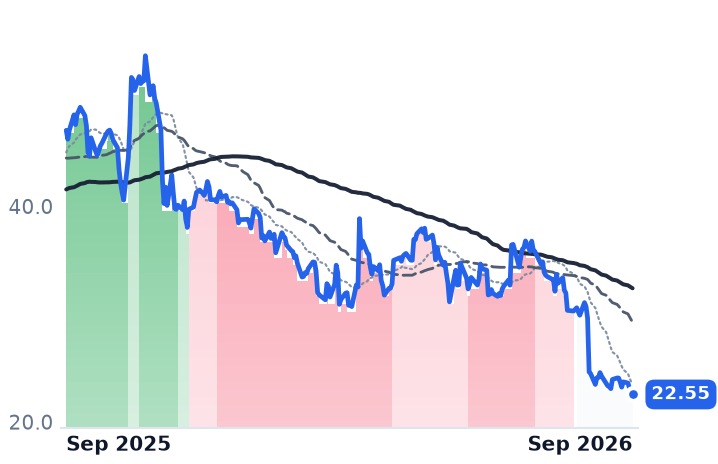
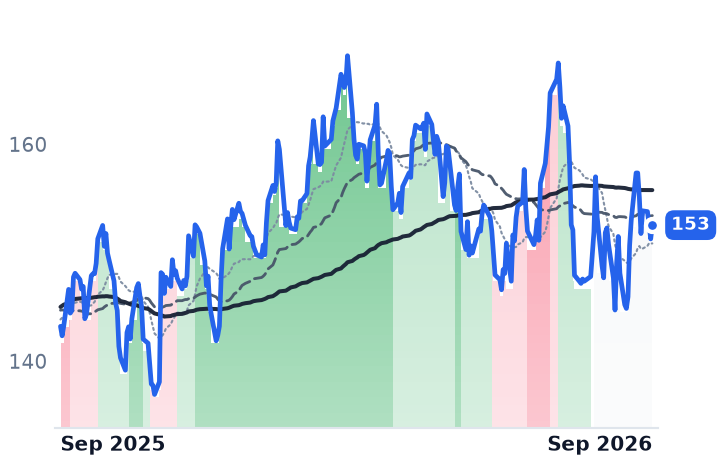
The Exchange's underwriting improved sharply, but Indemnity does not own that loss ratio. It paid for it: agent incentive commissions rose more than twice as fast as the fee, and operating margin slipped year over year. The shares have recovered about a quarter from a June low and sit near 20x forward earnings against a consensus that has earnings flat in 2027. The segment's other listed name, Accelerant, is growing far faster — and is being taken private at $20.25 a share in cash.
| Ticker | Company | Segment | Trend · 13mo | 30D | 1Y |
|---|---|---|---|---|---|
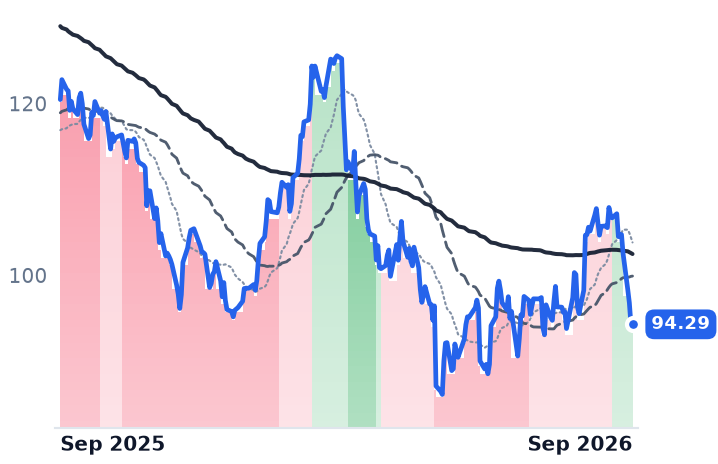
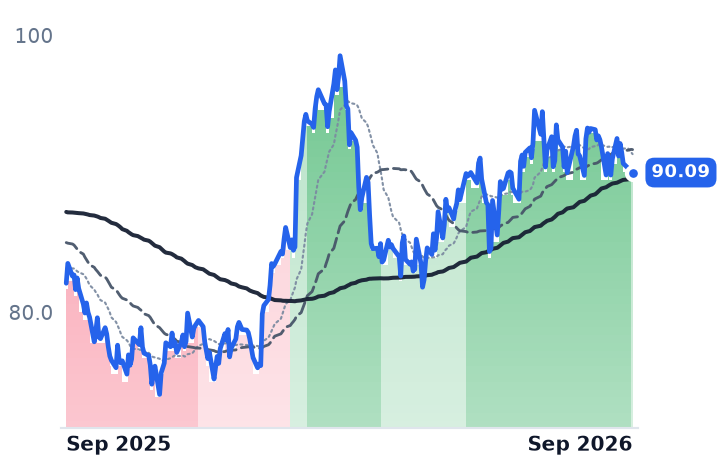
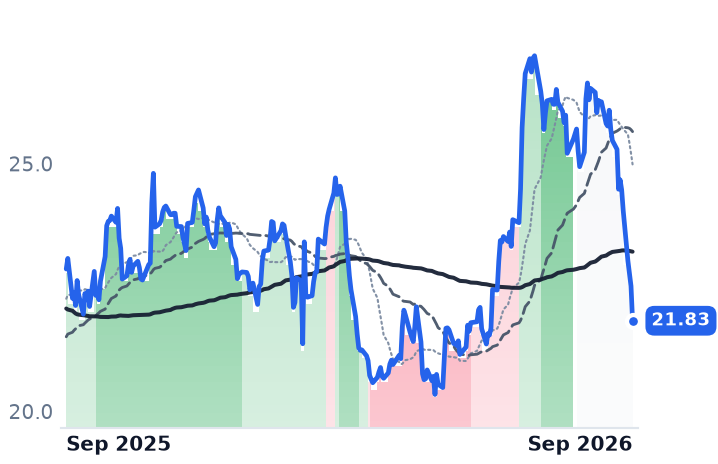
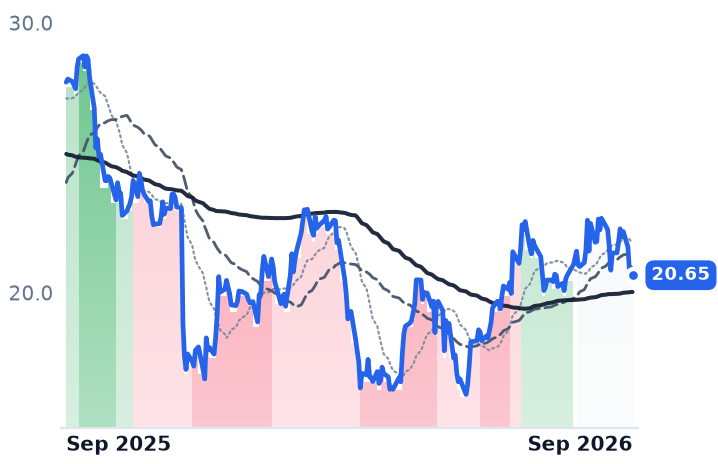
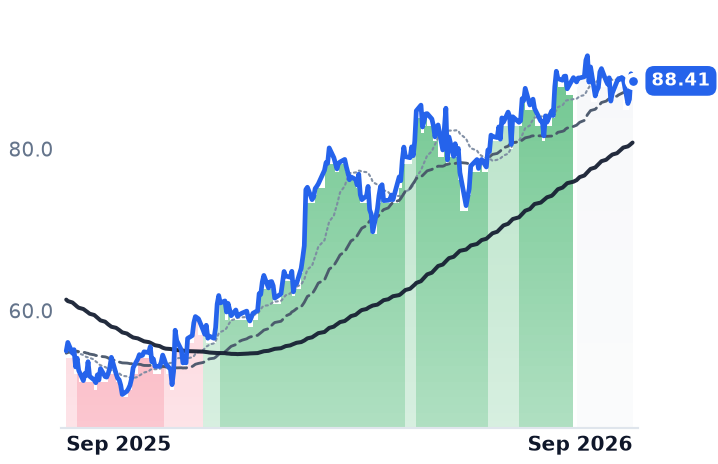
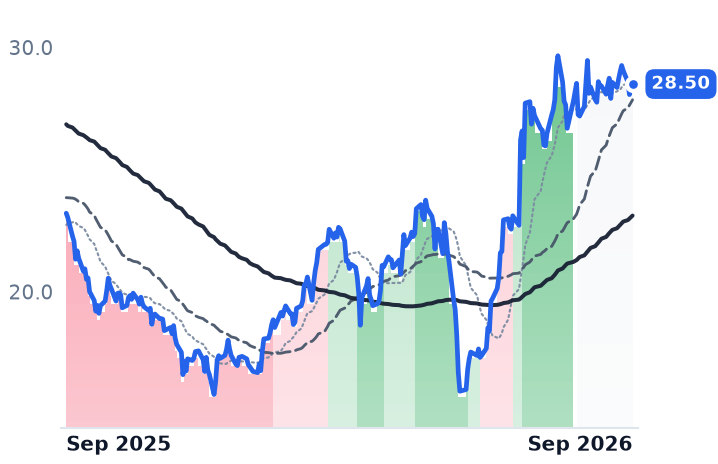
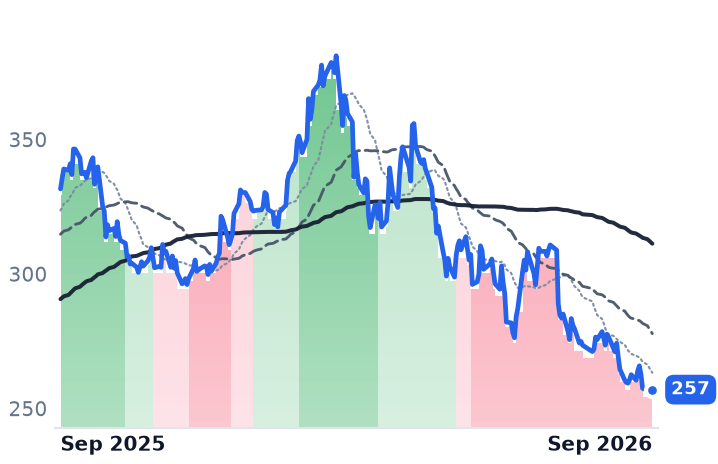
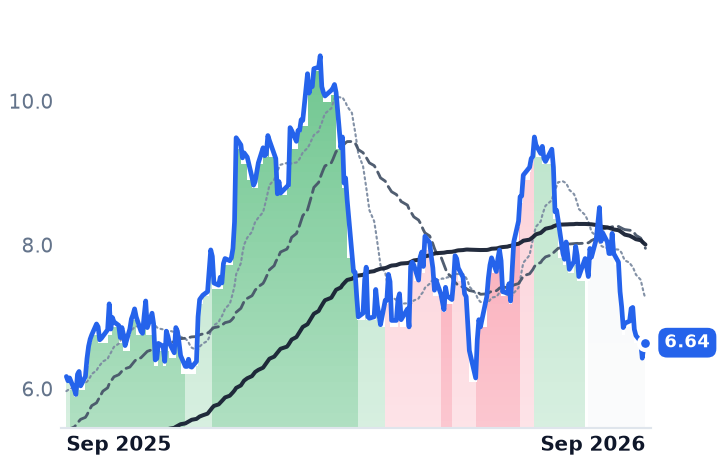
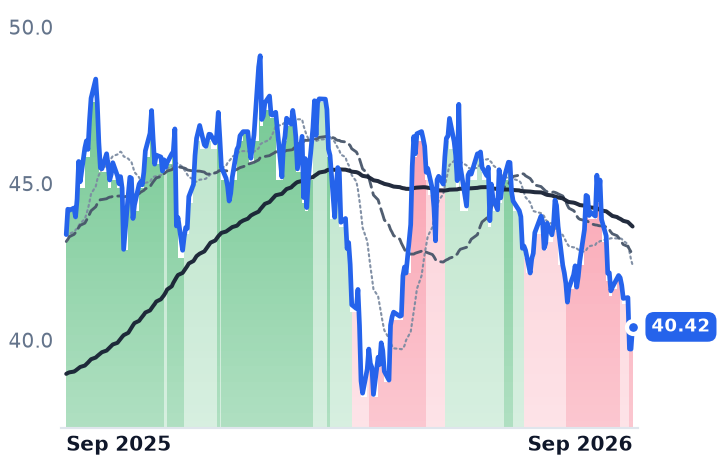
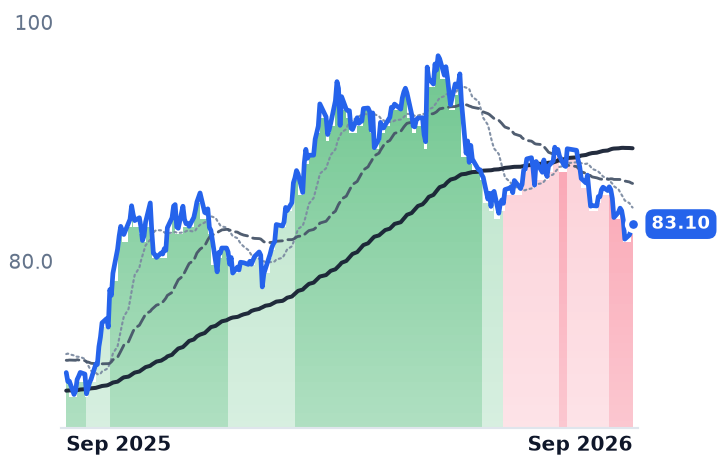
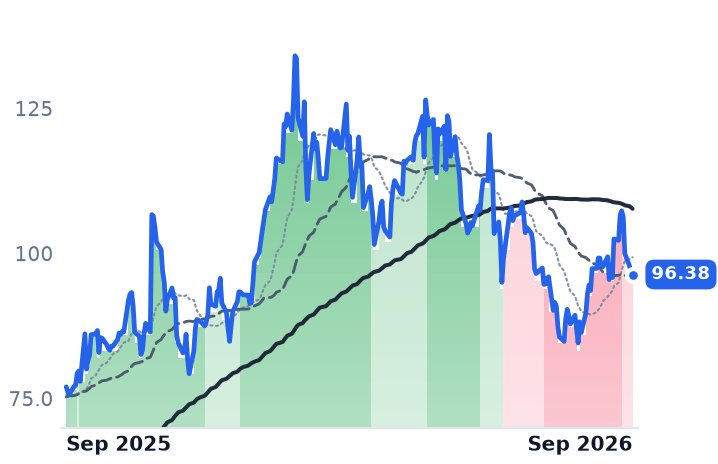
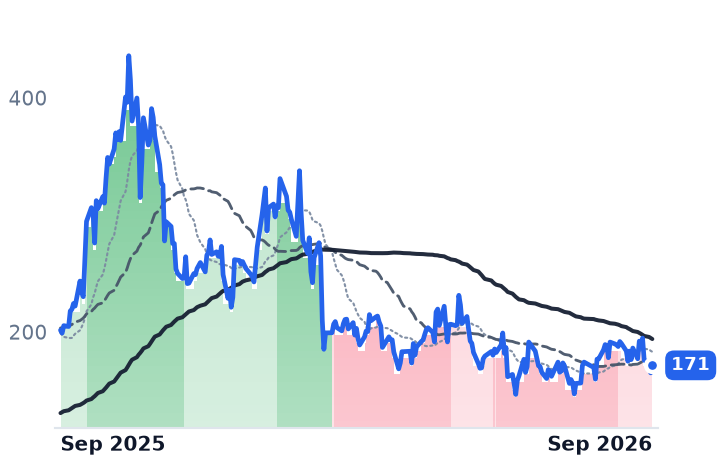
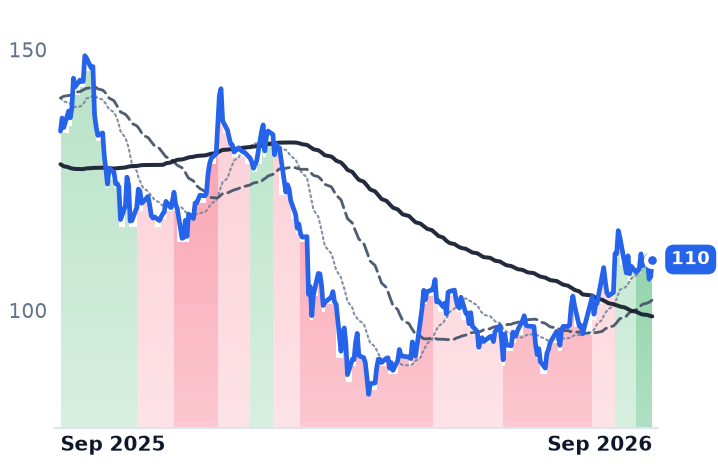
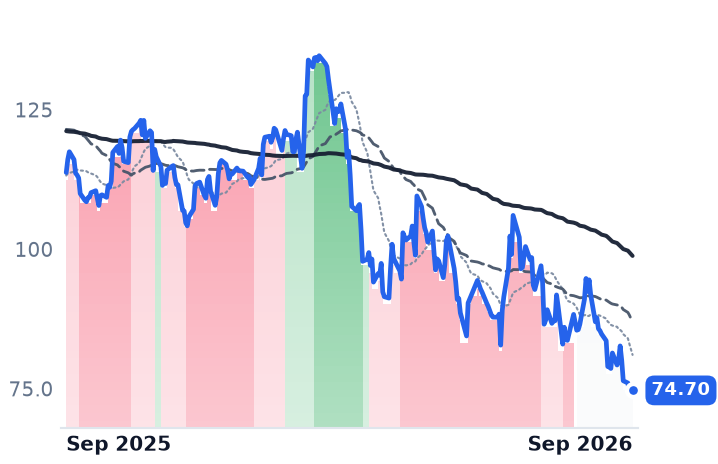
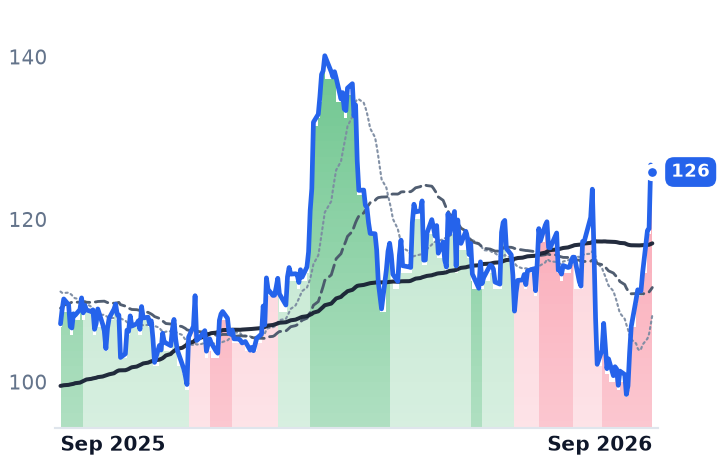
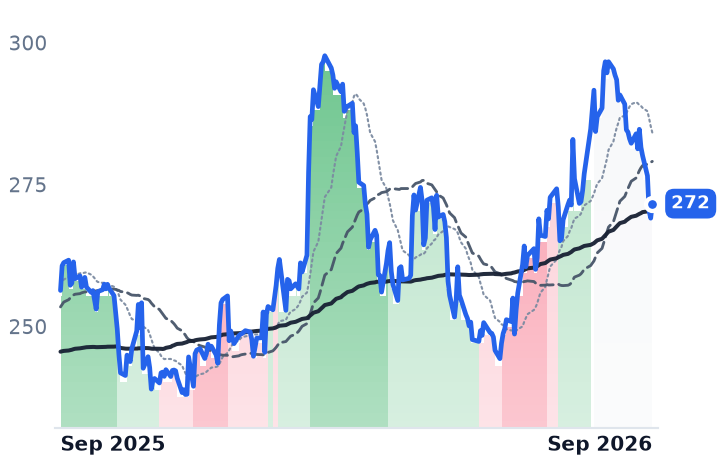
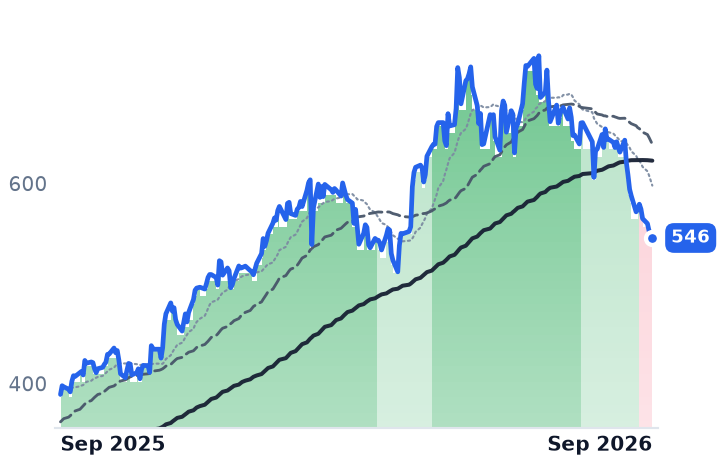
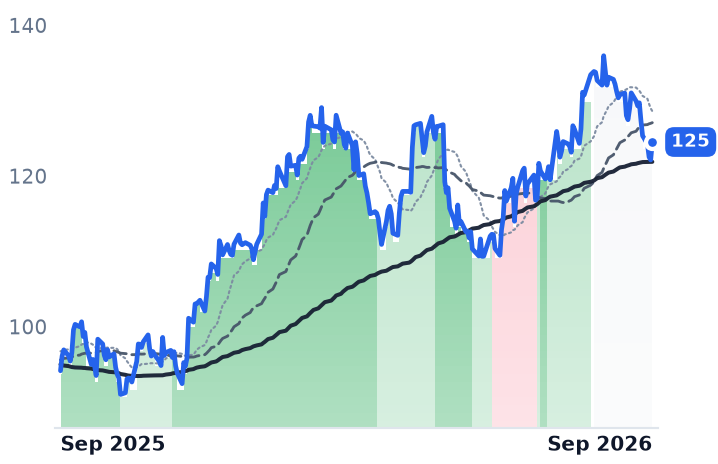
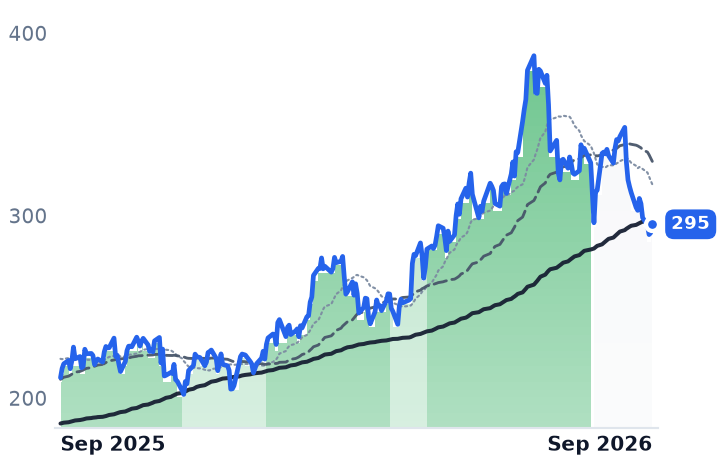
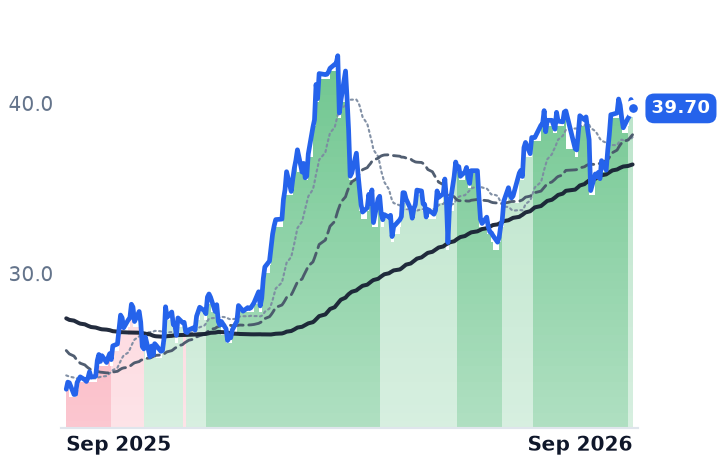
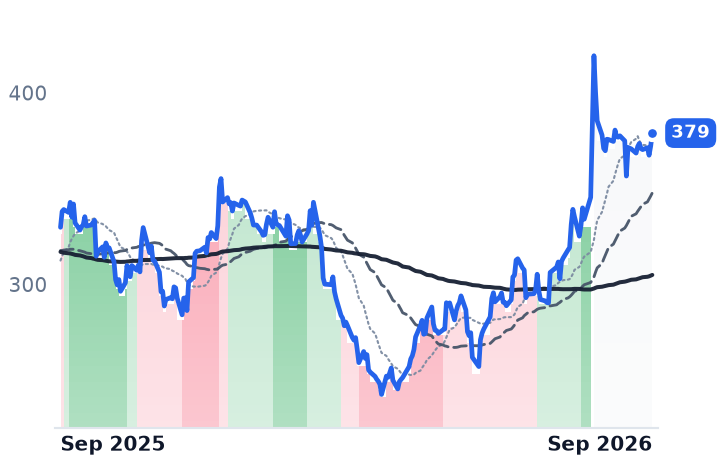
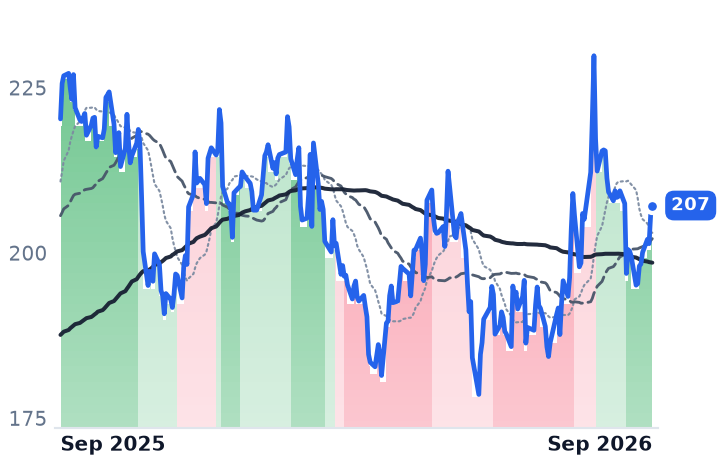
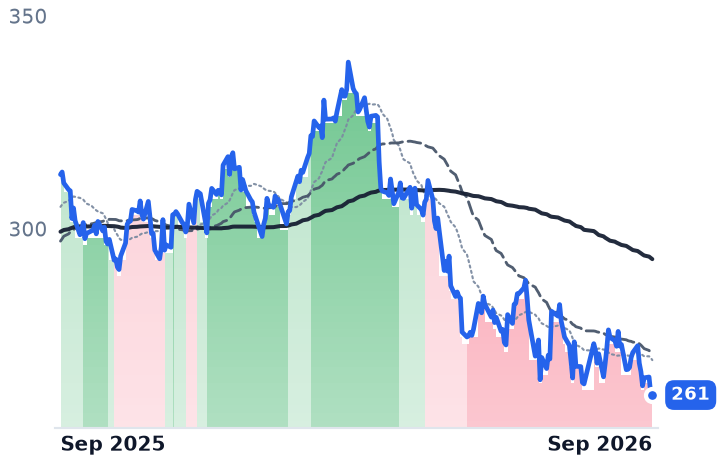
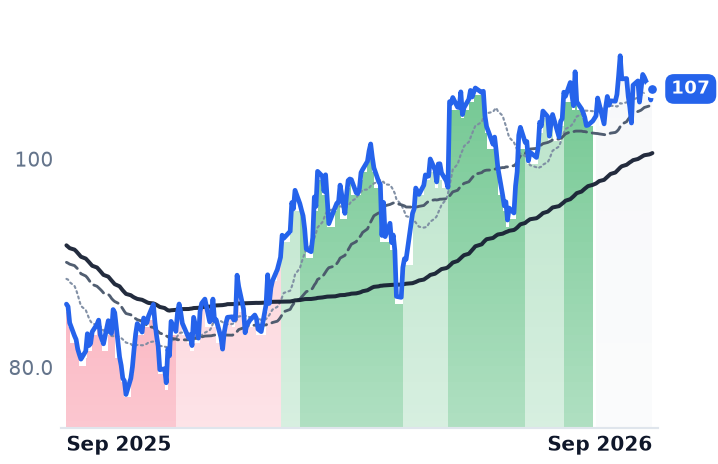
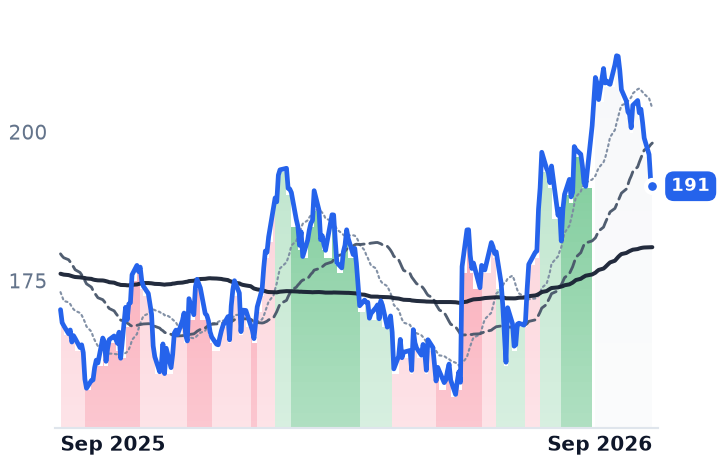
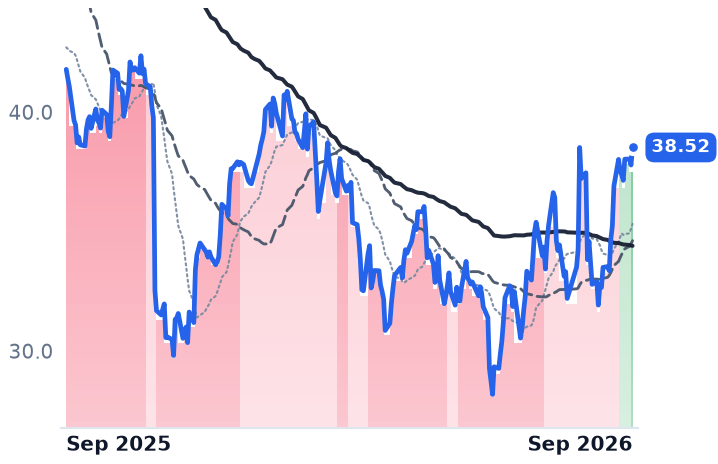
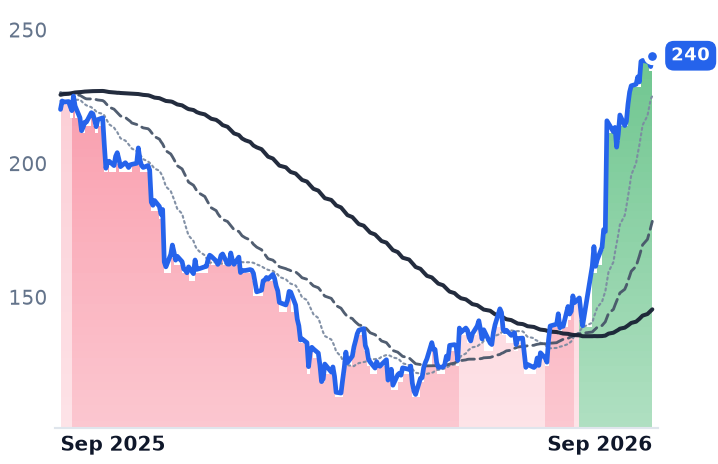
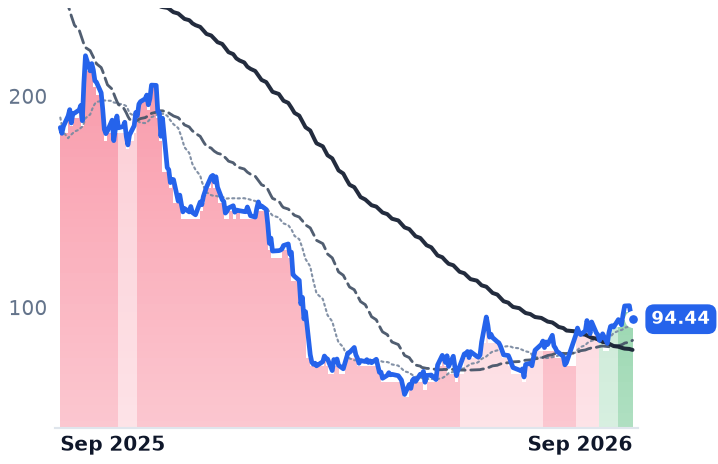
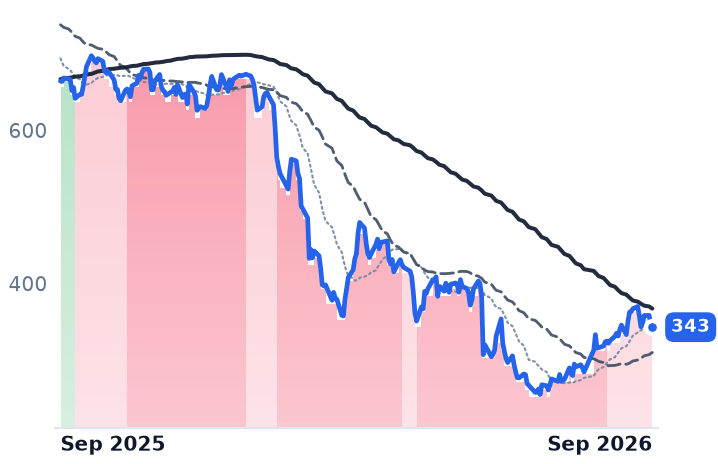
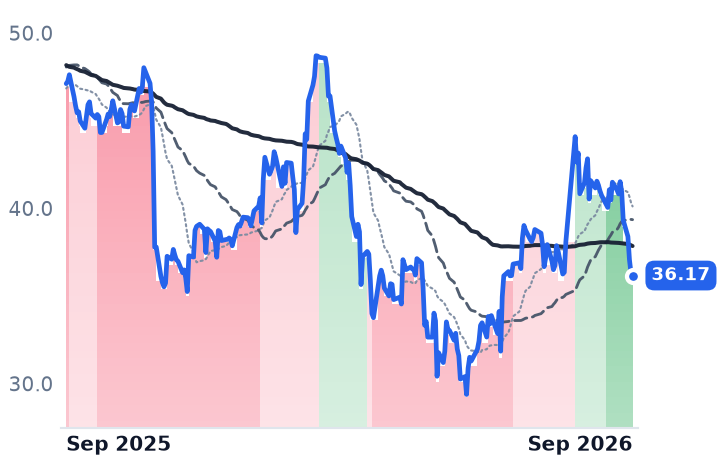
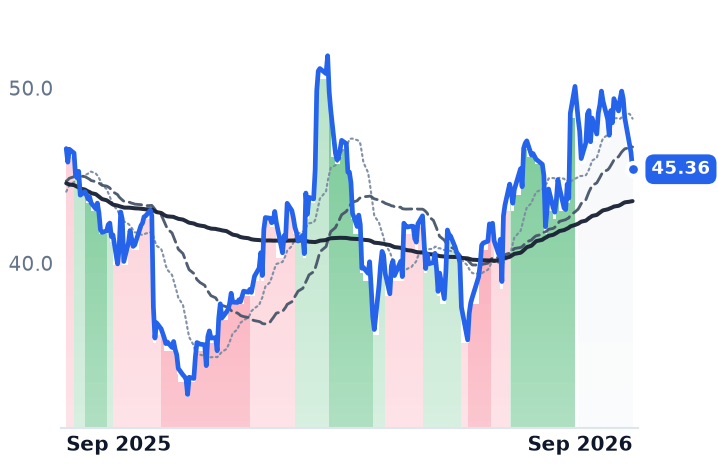
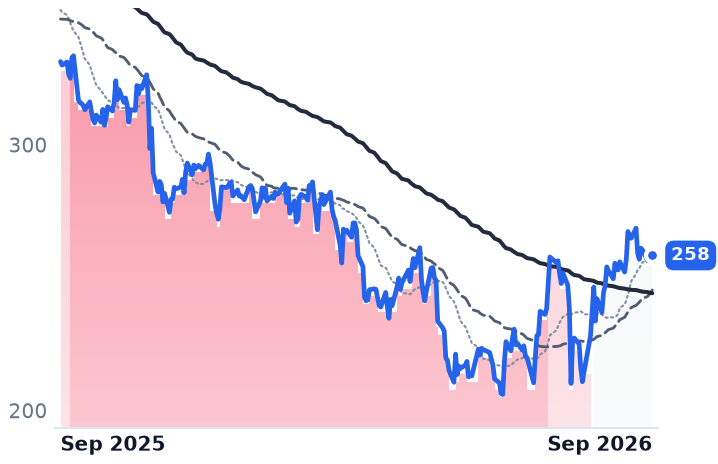
ERIE | Erie Indemnity | Managing General Agents | 🔴 Cont. Bear | +4.6% | −22.0% |
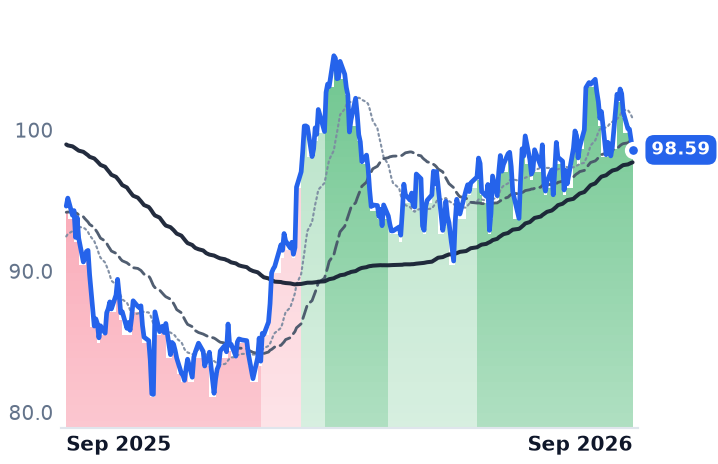
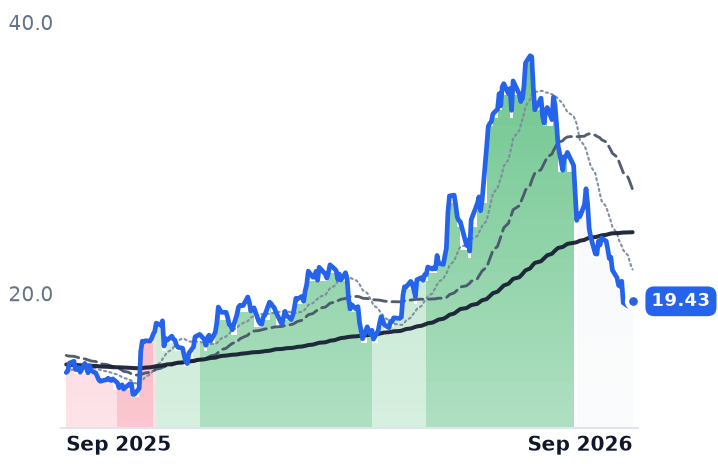
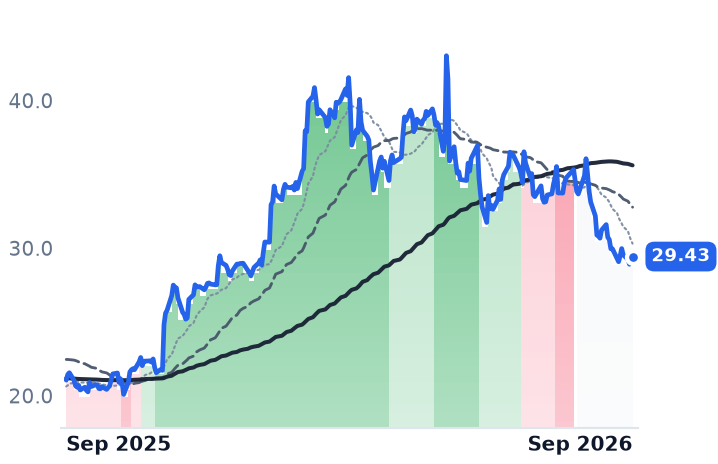
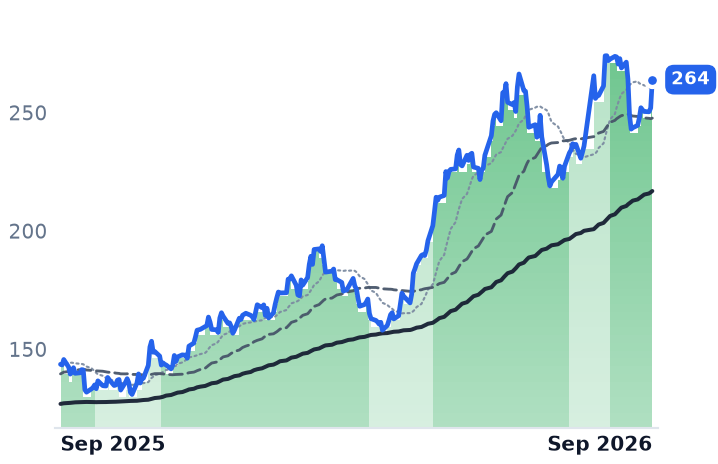
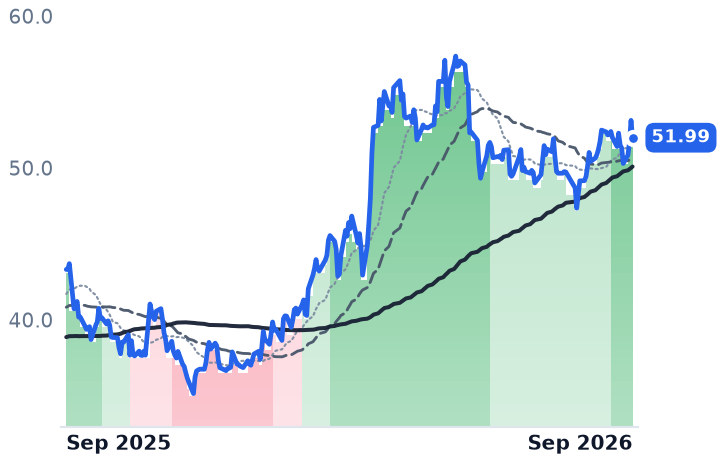
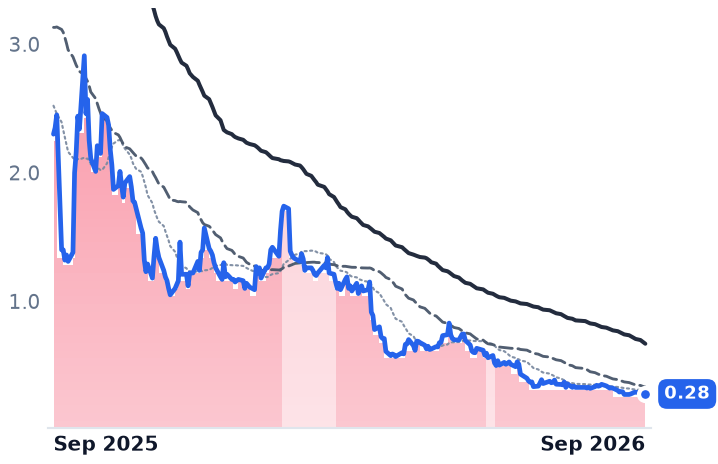
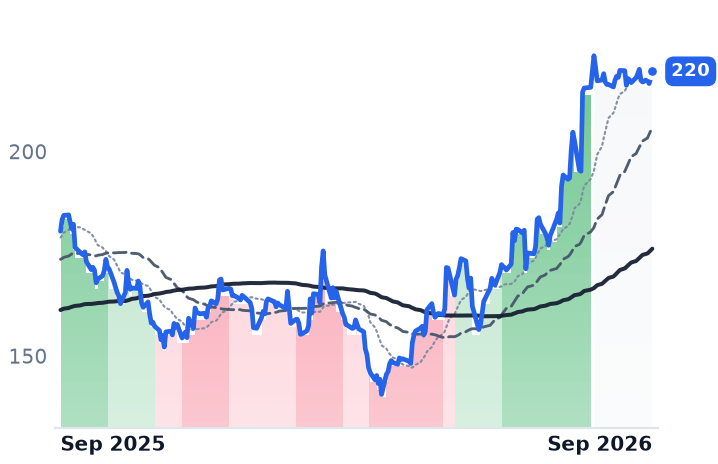
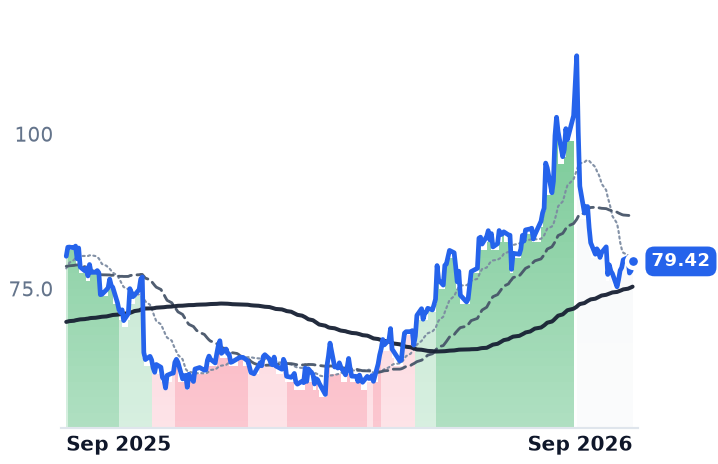
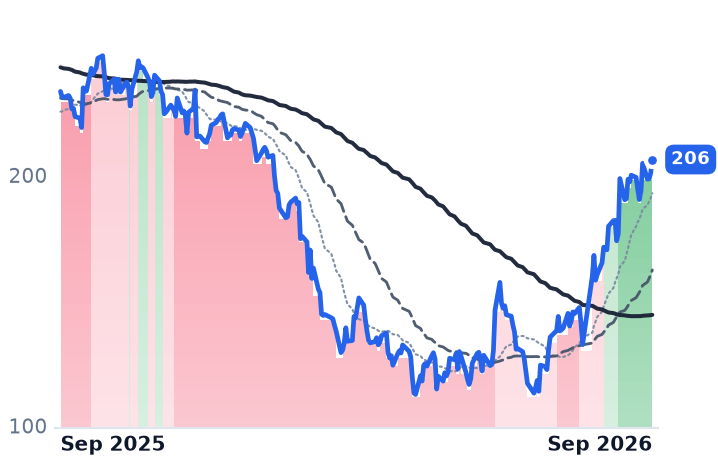
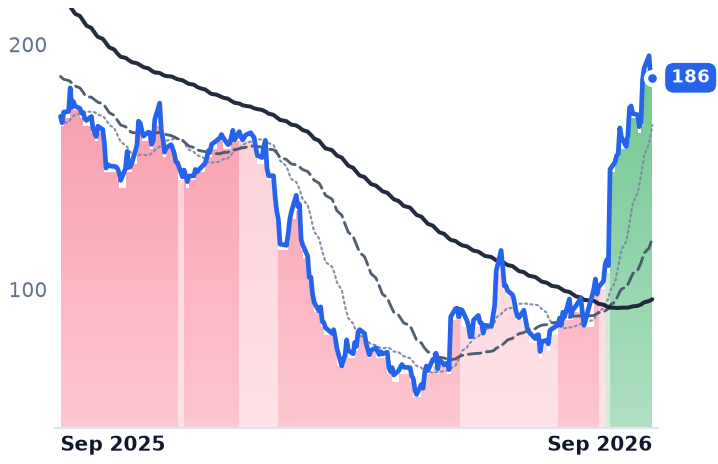
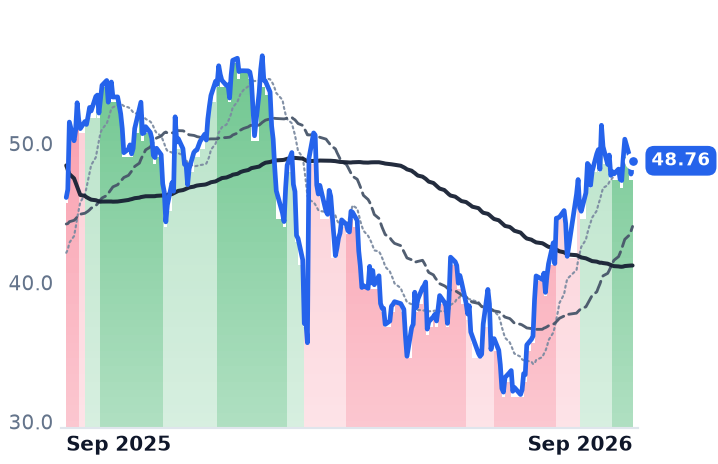
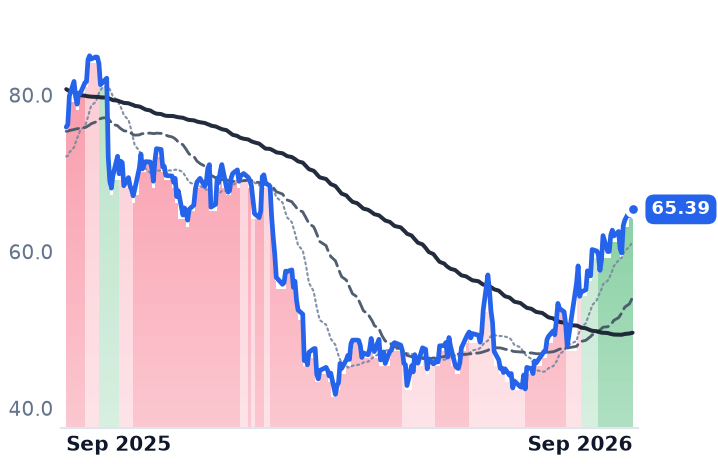
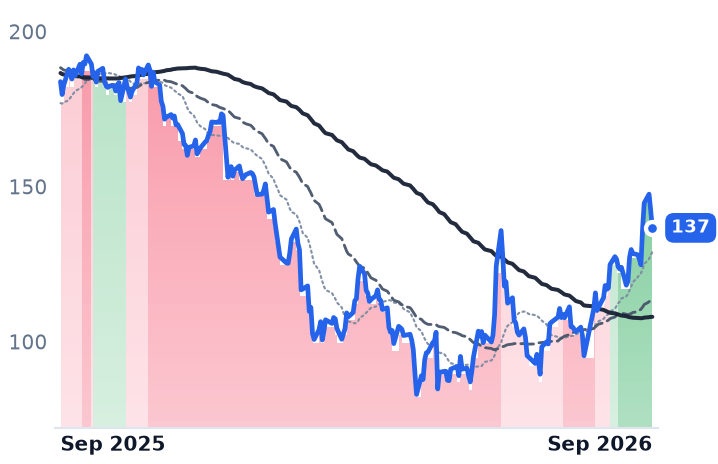
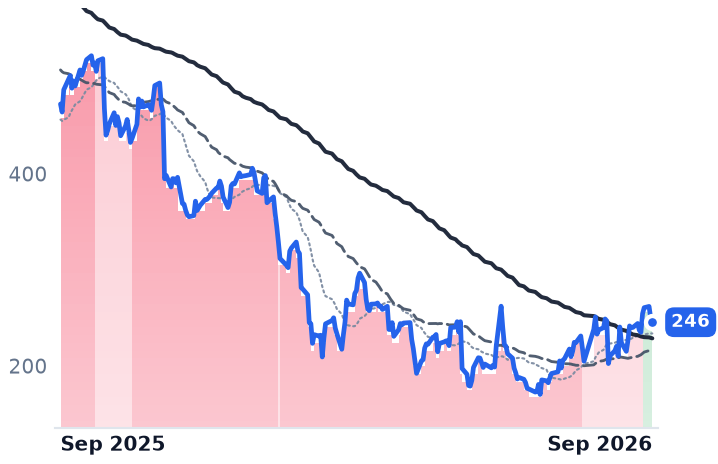
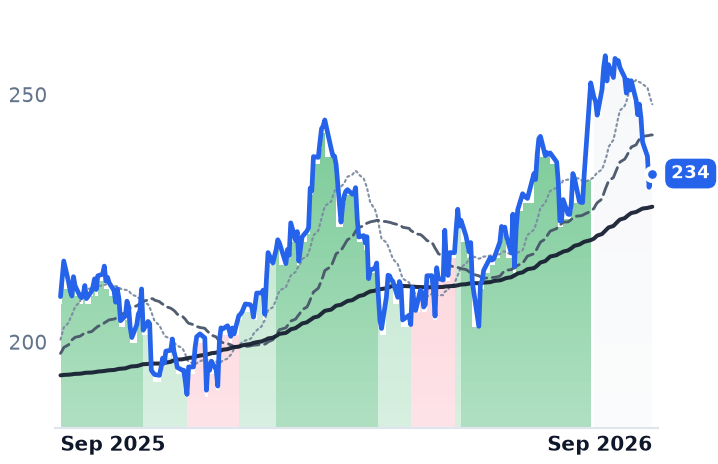
ARX | Accelerant | Managing General Agents | 🌱 Emerging Bull | +59.9% | −4.2% |
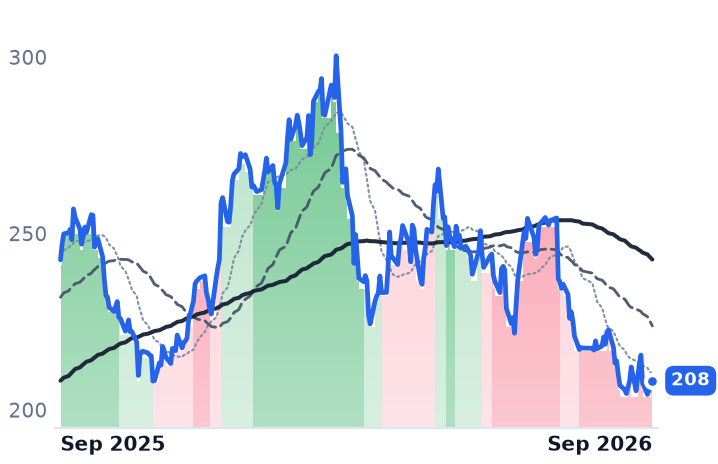
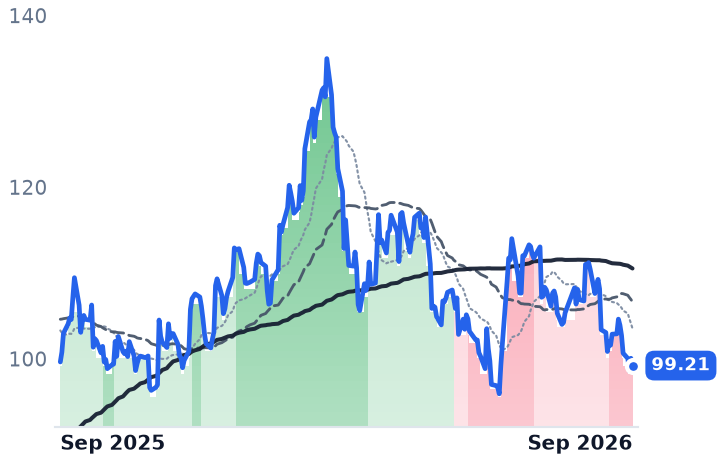
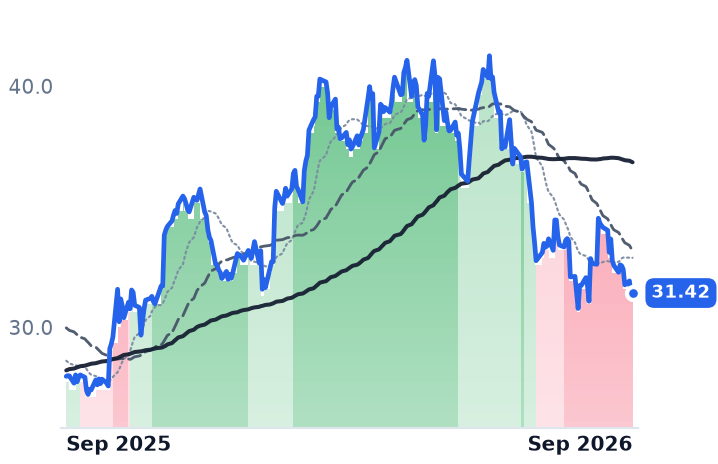
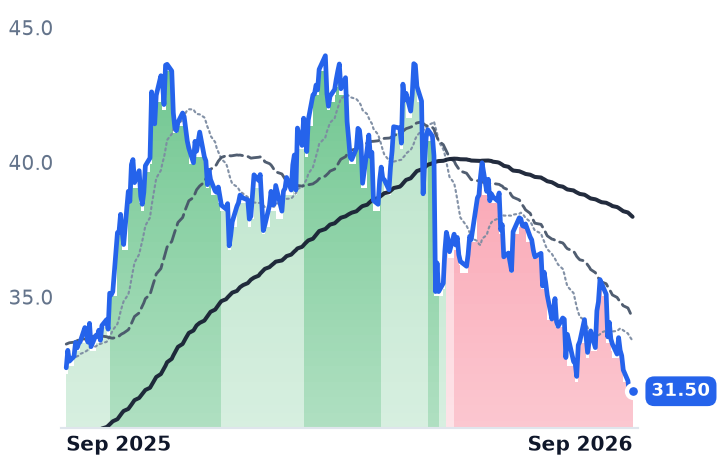
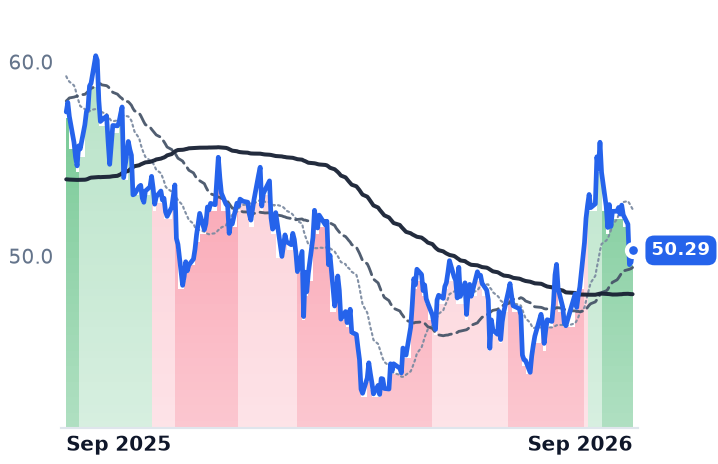
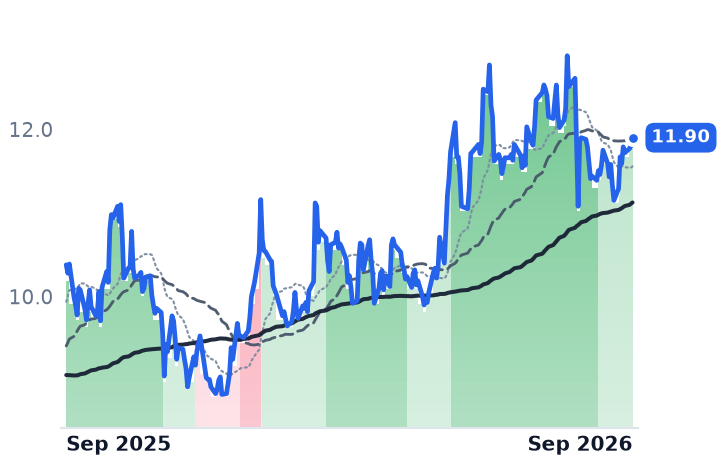
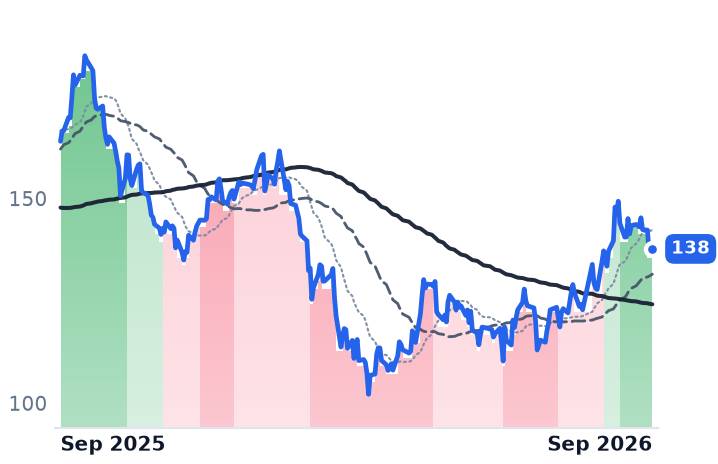
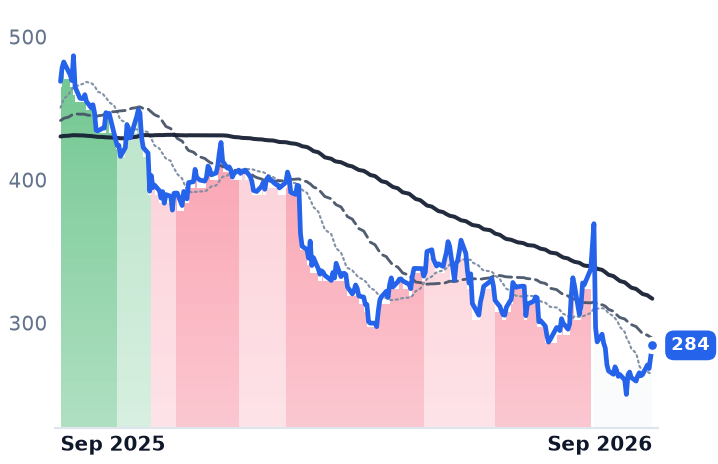
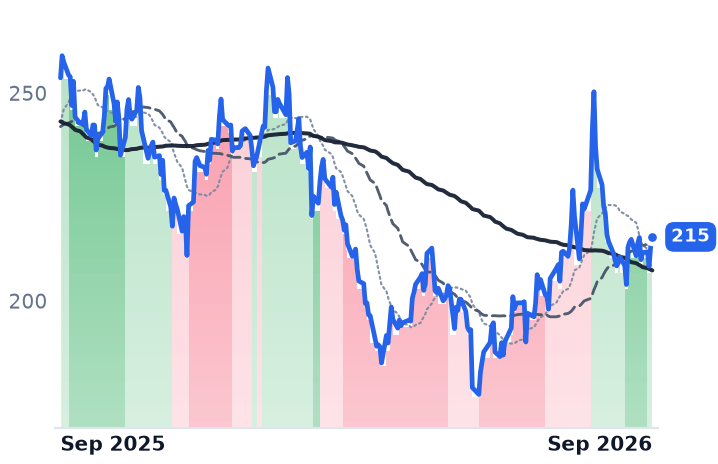
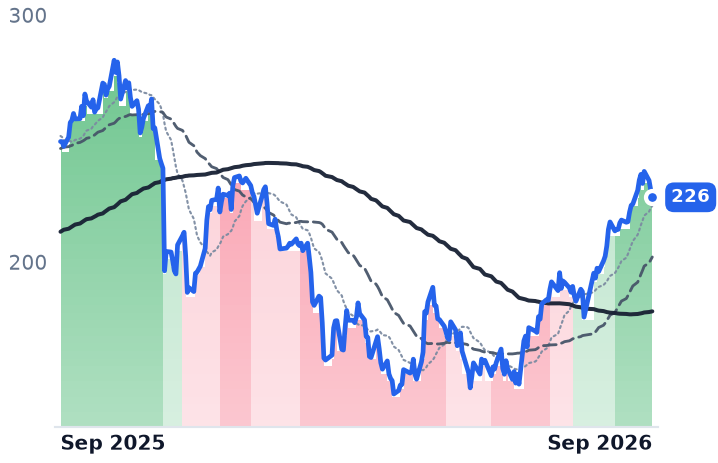
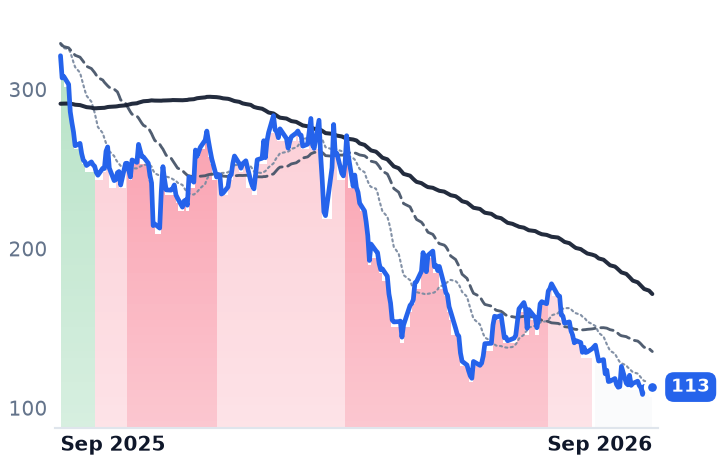
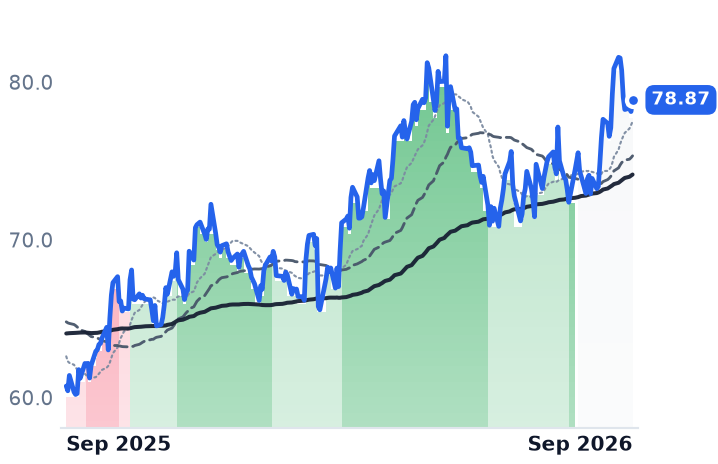
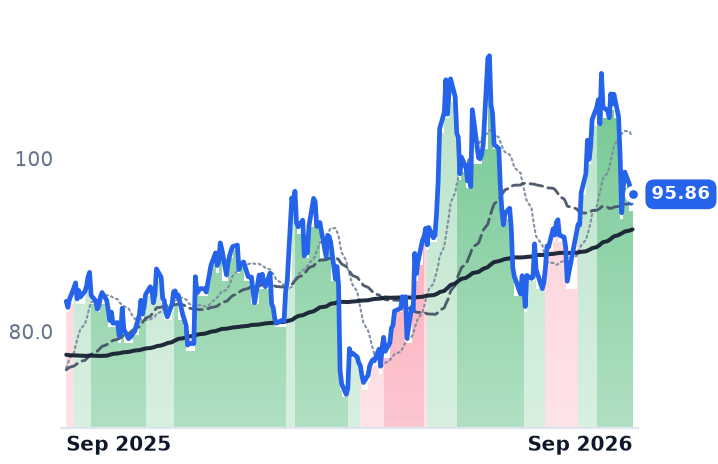
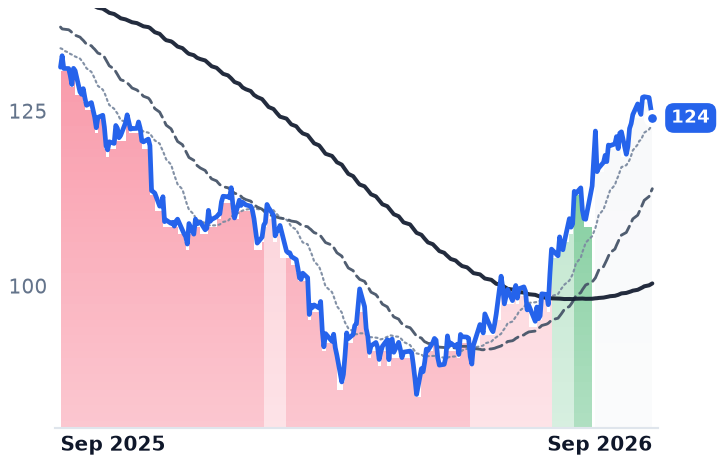
12-month price & trend
| Ticker | Mkt cap | P/E | P/E fwd | P/S | P/S fwd | P/GP | P/GP fwd | EV/EBITDA | FCF yld |
|---|---|---|---|---|---|---|---|---|---|
ERIE | $11.9B | 20.9x | 20.4x | 2.9x | 2.9x | 17.5x | 17.3x | 14.8x | 4.6% |
ARX | $4.3B | n/m | 22.0x | 4.1x | 3.8x | 6.1x | 5.6x | n/m | 1.2% |
Consensus projections
| Ticker | FY2026E | FY2027E | FY2028E | |
|---|---|---|---|---|
ERIE | Revenue | +1.9% | +10.6% | — |
| EPS | +14.4% | +0.9% | — | |
ARX | Revenue | +25.4% | +9.4% | +20.6% |
| EPS | +9.2% | +4.3% | +30.2% |
Forward fiscal years only. Blank means no analyst coverage for that year.
Erie Indemnity does not insure anything. It is the managing attorney-in-fact for the subscribers at the Erie Insurance Exchange, a policyholder-owned reciprocal in Erie, Pennsylvania, and it bills the Exchange a management fee for issuing and renewing policies, paying agents and running the technology. At its December 9 meeting the board set that fee at 25 percent of the Exchange's direct and affiliated assumed written premium for 2026 — the contractual cap. The rate cannot go higher.
That matters because it reduces a $11.9bn company to a single input: the size of somebody else's premium book. And that book is now growing on price alone. Exchange direct written premium rose 3.3% in the second quarter against 9.2% a year earlier, management told investors on the July 31 call; average premium per policy was up 6.8%, but policies in force fell 2% and the retention ratio slipped to 87.5%. The first quarter looked the same — 3.6% premium growth, policies down 1.7%, retention 88% — so this is two consecutive quarters of households leaving faster than they arrive.
The rate half is fading too
The price component that has carried the fee since 2023 is being withdrawn across the industry. US personal auto insurers' average approved rate increase fell to 3.7% in 2025 from 9.7% in 2024, and homeowners to 8.3% from 13.5%, after the homeowners line earned its first underwriting profit in five years. Total property/casualty premium growth is projected to slow toward roughly 3% this year. Erie's 6.8% average premium increase is being asked of customers just as national direct writers stop asking for theirs.
Management's answer is distribution rather than price: ErieSecure Auto is live in ten states after a May launch in Pennsylvania, and a new online quoting platform finished rolling out at the end of June with nearly double the conversion rate of the system it replaced. "While growth remains our primary challenge, we are committed to profitable growth," chief financial officer Julie Pelkowski said on the July 31 call, which was prerecorded, carried no questions, and offered no guidance.
The improvement belongs to someone else
The Exchange's combined ratio improved thirteen points, to 103.9% from 116.9%, on lighter catastrophes. Indemnity does not own that loss ratio — and in the same quarter it paid for the improvement. Commission expense rose $44.7m, or 9.6%, driven by agent incentive compensation tied to the better underwriting result, against management fee revenue growth of 4.7% to $862.9m. Non-commission expense fell 4.8%, only partly offsetting. Operating margin came in at 18.73% against 18.84% a year earlier: no leverage at all, in the best underwriting quarter the Exchange has had in years. Net income was $180.3m, or $3.45 a share, up 3.2%.
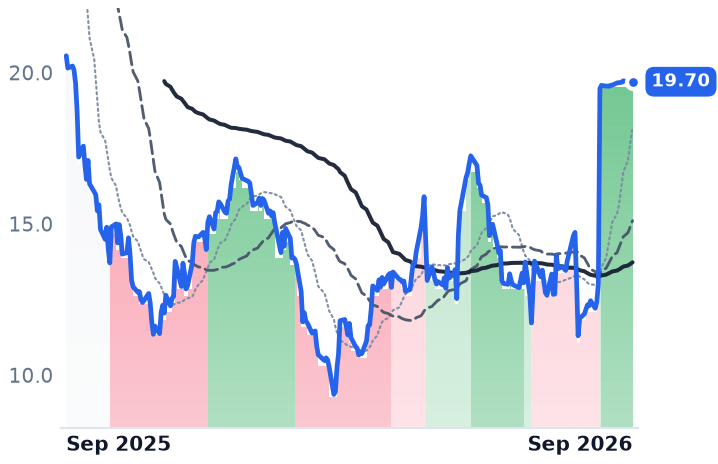
The shares fell 21.3% over twelve months to a $207.24 low on June 3 and have risen 24.7% since, to $258.37 — a recovery, though the 50-day average has only climbed back to level with the 200-day, never above it. At 20.85x trailing and 20.38x forward earnings, Erie Indemnity trades at less than half its old rating: the stock reached $544.84 in the 2024-to-mid-2025 stretch, roughly 47x that year's $11.48 of diluted earnings, and about 32x as recently as June 2025. Consensus has earnings up 14.4% this year to $12.68 and then $12.80 in 2027 — growth of 0.9%.
The other name in the group is already sold
Accelerant Holdings, a Cayman-domiciled risk exchange that places specialty premium from member managing general agents with third-party capital and charges a volume-based fee for it, has the growth Erie lacks: exchange written premium of $1.32bn in the second quarter, up 23%, on a take rate above 8% that management has guided to the mid-8s for the rest of the year. It is less asset-light than the framing suggests — third-party direct written premium was 47% of exchange volume, so a majority still passed through Accelerant's own carriers first.
None of that is what moved the stock. On August 13 Thoma Bravo agreed to acquire Accelerant for $20.25 a share in cash, an enterprise value above $4bn and a 49% premium, with Altamont Capital Partners' roughly 82% voting stake committed and closing expected in the first half of 2027. The shares gapped 49.7% that session and have sat within a twenty-cent range since, at $19.70 — 97.3% of the consideration. Chief executive Jeff Radke said the platform would become "the rails on which specialty insurance runs." Whatever the market thinks of that, its quote is now a spread rather than a valuation.
So the apparent revival in fee-on-premium insurance is one takeover and one de-rated service company climbing off a low. Erie Indemnity's three-month gain is the market repaying an overshoot — the multiple more than halved, and a business whose consensus earnings go flat in 2027 arguably earned some of that. What the rally is not is evidence that the mechanism turned. The fee rate is pinned, the unit count is falling, and the rate increases that disguised the unit decline are lapsing across the industry.
The Exchange ended June with $10.7bn of policyholder surplus, more than it held at the start of the year. Capital is not the constraint here. Households are — and each one that leaves takes a quarter of its premium out of Erie Indemnity's revenue on the way.